The Guide

The GD150 Operating and Commissioning Guide provides a structured procedure for checking a GD150 installation and verifying compressor operation before the unit is placed into service. 

The guide takes qualified personnel through pre-operating checks, PTO engagement, compressor speed, inlet restriction, pipework leak testing and relief valve verification. It also establishes critical operating limits for inlet vacuum and discharge pressure.

This can be used during commissioning to help verify that the compressor and supporting system have been correctly installed, tested and prepared for operation. 

GD150 Operating and Commissioning Checklist Cover

Why GD150 Commissioning Starts Before the Compressor Runs

Commissioning isn’t simply a matter of starting the compressor and confirming that it operates.

The installation around the GD150 needs to be checked first.

Pipework should be clean following fabrication. Flanges, fasteners and mountings need to be secure. The correct testing equipment must be installed, and the vehicle and engine controls need to be properly configured for the application.

Completing these checks before startup gives commissioning personnel an opportunity to identify installation issues before pressure is introduced into the system.

Most importantly, never start the compressor against a pressurized tank or discharge line. 

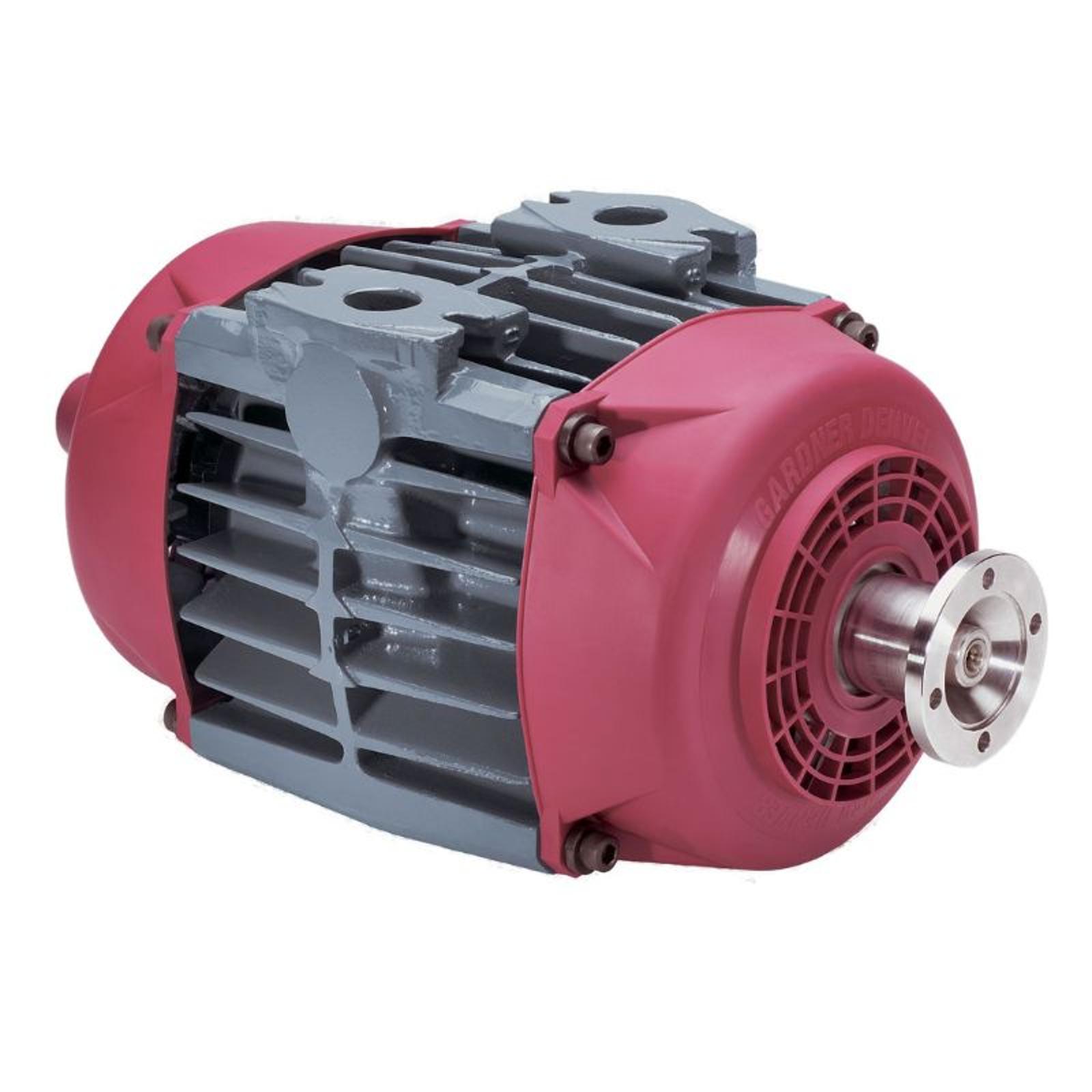
Product Photo Gd150 and gd175 V1

How to Prepare a GD150 for Commissioning

Before beginning the operating test, verify the installation and supporting system. 

Pre-Operating Check 

Requirement 

Pipework 

Clean flexible and welded pipe bores after fabrication 

Mounting 

Confirm flanges, fasteners and mountings are secure 

PTO 

Vehicle PTO disengaged before startup 

Engine Management 

Correctly configured for the application 

Ball Valve 

Open if starting against tank pressure 

Testing Equipment 

Fit a 1.5-2 in gate valve and silencer 

Pressure Gauge 

Fit a 0-43.5 PSI (0-3 bar g) discharge pressure gauge 

Ancillaries 

Confirm correct installation and sequencing 

Once these checks are complete, confirm that the gate valve on the discharge pipework is open before beginning the operating procedure. 

Start Within the Correct GD150 Operating Speed

Engage the PTO according to the truck manufacturer’s instructions and slowly raise the clutch.

Engine speed can then be adjusted so that the compressor operates at the speed required for the application.

The specified GD150 compressor input speed range is:

1,000-1,600 RPM

Before progressing with the commissioning test, check the inlet blockage indicator. It should not show red, which would indicate a blocked filter or inlet pipework condition.

While the compressor is operating, inspect the pipework for leaks. If leaks are found, stop the machine and tighten the fasteners as necessary before continuing.

Build Pressure Gradually and Check the System for Leaks

Commissioning should verify system integrity before testing the relief valve at its operating point.

Partially close the gate valve to increase discharge pressure to:

3 PSI (0.2 bar) below the relief valve’s full-bypass setting.

At this pressure, inspect the system again for leaks.

If corrective work is required, stop the machine and tighten the appropriate fasteners.

When the system is operating correctly, continue running the compressor until the total test time reaches 30 minutes, then perform another check for air leaks.

This process provides an opportunity to verify the installation under operating conditions before completing relief valve testing. 

Verify Relief Valve Operation Before Commissioning Is Complete

The relief valve test establishes several specific acceptance points. 

Pressure should be increased slowly beyond the setting stamped on the valve until the relief valve operates. 

Relief Valve Check 

Commissioning Requirement 

Valve cracking 

Should begin to lift/open/blow off within 10% below set pressure 

Permitted leakage before cracking 

Up to 7 PSI (0.5 bar g) below set pressure 

Full opening / bypass 

Within 5% of set pressure 

Valve reseating 

Before pressure falls 7 PSI (0.5 bar g) below full-bypass pressure 

Once full-bypass operation has been verified, slowly reduce pressure and confirm that the relief valve reseats within the specified range.

After testing, check again that all fastenings remain tight and that flanges are leak-free. 

Finish the GD150 Commissioning Procedure Safely

Once testing is complete, return the engine speed to idle before disengaging the PTO.

Then stop the engine.

Remove any commissioning test apparatus, disconnect the discharge hose and fit a blanking cap as required.

Commissioning personnel should also remain aware that pipework becomes hot during testing and operation.

Three operating limits from the checklist should remain front of mind:

Maximum inlet vacuum: 0.7 PSI (50 mbar)

Maximum discharge pressure: 36 PSI (2.5 bar g)

Compressor input speed: 1,000-1,600 RPM

The compressor should never be started against a pressurized tank or discharge line.

Following the complete commissioning sequence helps verify not just that the GD150 runs, but that the compressor, installation, pressure controls and supporting pipework are operating within the requirements established for the system.

Country

Your request will be forwarded to the relevant individuals to assist with your request.
By clicking 'Send' you are authorizing Gardner Denver to contact you so that we may fulfill your request, as well as to communicate with you regarding our products and services.
Terms and Conditions
Privacy Policy

(* required fields)

This site is protected by reCAPTCHA.

Frequently Asked Questions

Begin by checking the pipework, flanges, fasteners, mountings, PTO, engine management settings, testing equipment and ancillaries. The commissioning procedure then verifies compressor operation, inlet restriction, system leaks, operating pressure and relief valve performance before the unit is placed into service. 

Reach Out to Us