

Do You Actually Need an Oil-Free Compressor?
Not every facility needs an oil-free air compressor. Oil-free technology is usually worth considering when compressed air comes into direct or indirect contact with products, packaging, ingredients, instruments, electronics, or critical process equipment.
Which Industries Typically Use Oil-Free Air Compressors?
Food and beverage, pharmaceutical, chemical, electronics, healthcare, and power generation facilities often specify oil-free air because contamination risk, regulatory expectations, and process sensitivity are higher in these industries.
Food & Beverage
No one wants oil anywhere near the foods or beverages they consume. Oil-free compressed air can help protect taste, packaging quality, and shelf life.
Pharmaceutical
Medication is made to precise formulas for a reason. Oil-free compressed air can help protect pharmaceutical processes where even small contaminants could affect formulation, filling, drying, or packaging.
Chemical
Companies that make or process chemicals (like adhesives, resins, plastics, fertilizers, coatings, and more) rely on clean compressed air for production, packaging, and process control. Oil-free air helps reduce the risk of oil residue interfering with batch consistency or product purity.
Electronics
Electronics are often built around tiny components that need to perform exactly as designed. Oil residue can affect cleanliness, adhesion, or product reliability.
Power Generation
Power generation facilities depend on systems that must reliably operate around the clock. Oil-free air helps reduce the risk of oil residue interfering with systems that keep the plant running, from controls and valves to actuators and instrumentation.
Mining & Construction
Most mining and construction compressed air is used for rugged, heavy-duty work like powering tools, drilling equipment, ventilation systems, and other equipment in dusty, demanding environments. But oil-free air may be needed for more contamination-sensitive applications, such as mineral leaching, instrumentation, monitoring equipment, sample testing, or specialty processes where oil residue could affect measurements, equipment performance, or process quality.
To learn more about Gardner Denver oil-free air compressors in your industry, contact us.
What Does “Oil-Free” Mean?
Oil-free means oil is not introduced into the compression chamber during compression. That means compressor oil is not a contamination source from the compression process, though oil may still be used elsewhere in some compressor packages.
What Is an Oil-Less Air Compressor?
An oil-less air compressor has no oil anywhere in the compressor package. That can matter in facilities that want to avoid oil storage, oil changes, oil disposal, or any chance of oil leaking from the machine itself.
In other words, oil-free focuses on keeping oil out of the compressed air path; oil-less goes a step further by removing oil from the compressor package entirely.
Benefits of Oil-Free Compressed Air
Oil-free compressed air does more than reduce the risk of oil contamination. It helps protect product quality, keeps sensitive parts and processes running smoothly, and can reduce total ownership costs in a few ways:
- Less filtration to manage: If oil is not introduced during compression, there is less oil to remove from the air later.
- Less pressure loss: Filters can make the compressor work harder to maintain the right pressure. Reducing that load can help improve energy efficiency.
- Fewer filter changes: Fewer oil removal filters can mean less maintenance time, fewer replacement parts, and less filter disposal.
- Fewer oil-related issues downstream: Cleaner air can help reduce oil residue in downstream equipment, which could help prevent sticking valves, dirty sensors, product defects, or unplanned downtime.
How Clean Is Gardner Denver Oil-Free Air?
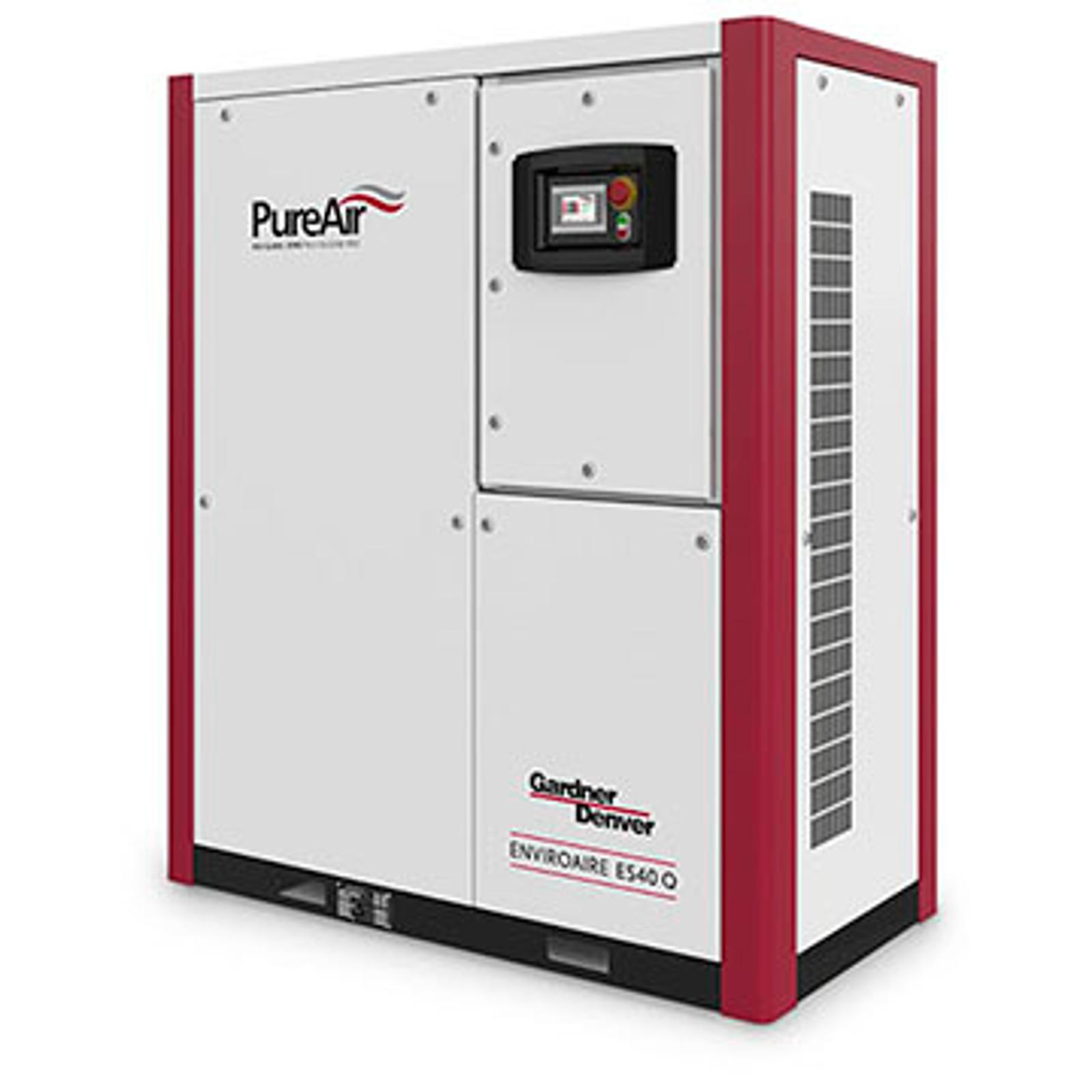
Gardner Denver oil-free air compressors deliver 100% PureAir, which means the compressed air is guaranteed 100% oil-free and silicone-free. They are also ISO 8573-1 Class 0 certified, so you can meet the highest air-purity requirements for critical applications.
Which Oil-Free Air Compressor Is Right for My Facility?
The first step in choosing an oil-free air compressor is to determine the size your facility needs. Then you can narrow the list to the technologies available in that size range and compare which one best fits your process, air-quality requirements, efficiency goals, and maintenance expectations.
What Size Oil-Free Air Compressor Does My Facility Need?
Choosing the right size compressor starts with understanding your facility’s air demand, operating pressure, and the ISO Air Quality of the compressed air being used in your facility. You can contact a Gardner Denver air compressor expert who can recommend the right oil-free compressor size and technology for your application.
When Is an Oil-Free Scroll Compressor the Right Choice?
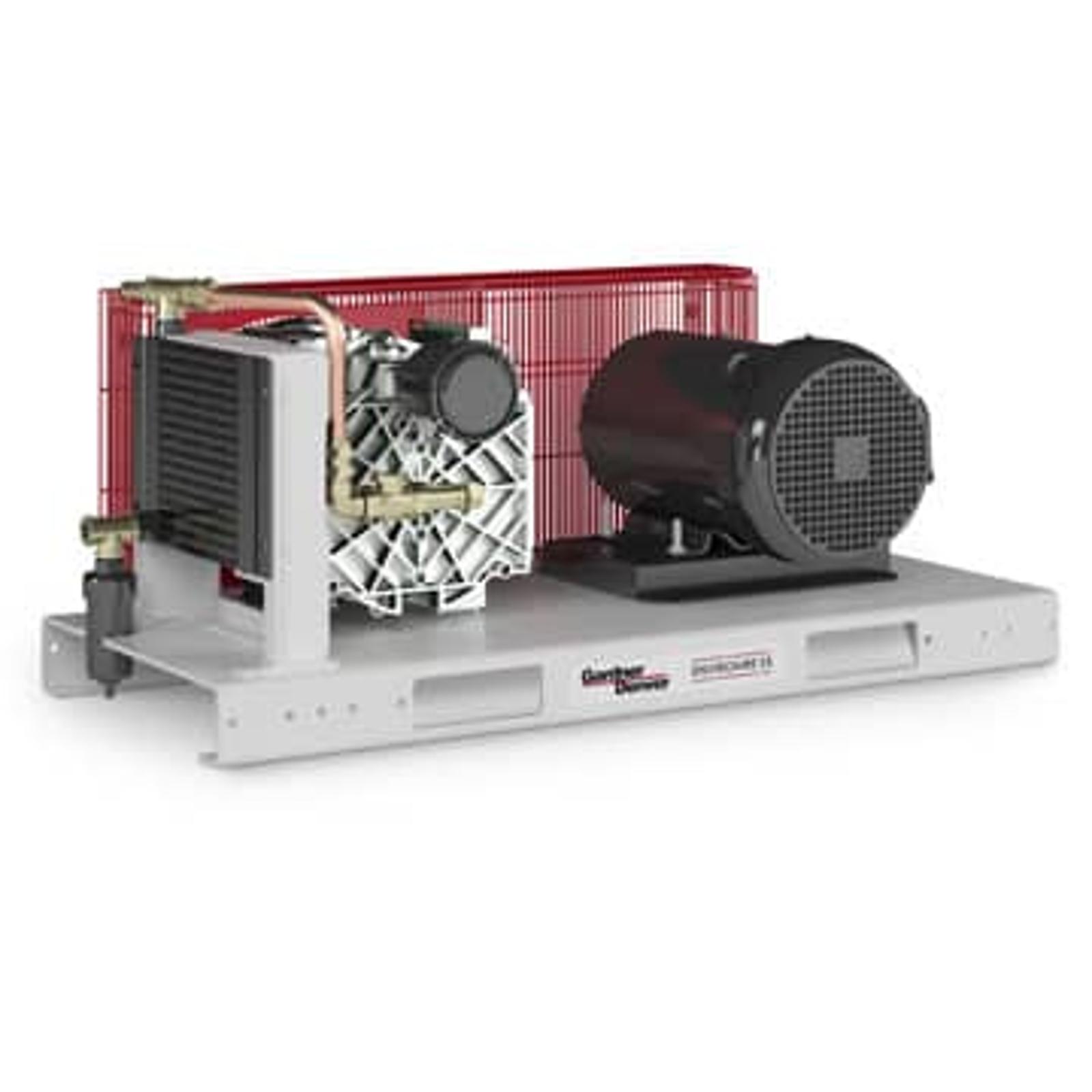
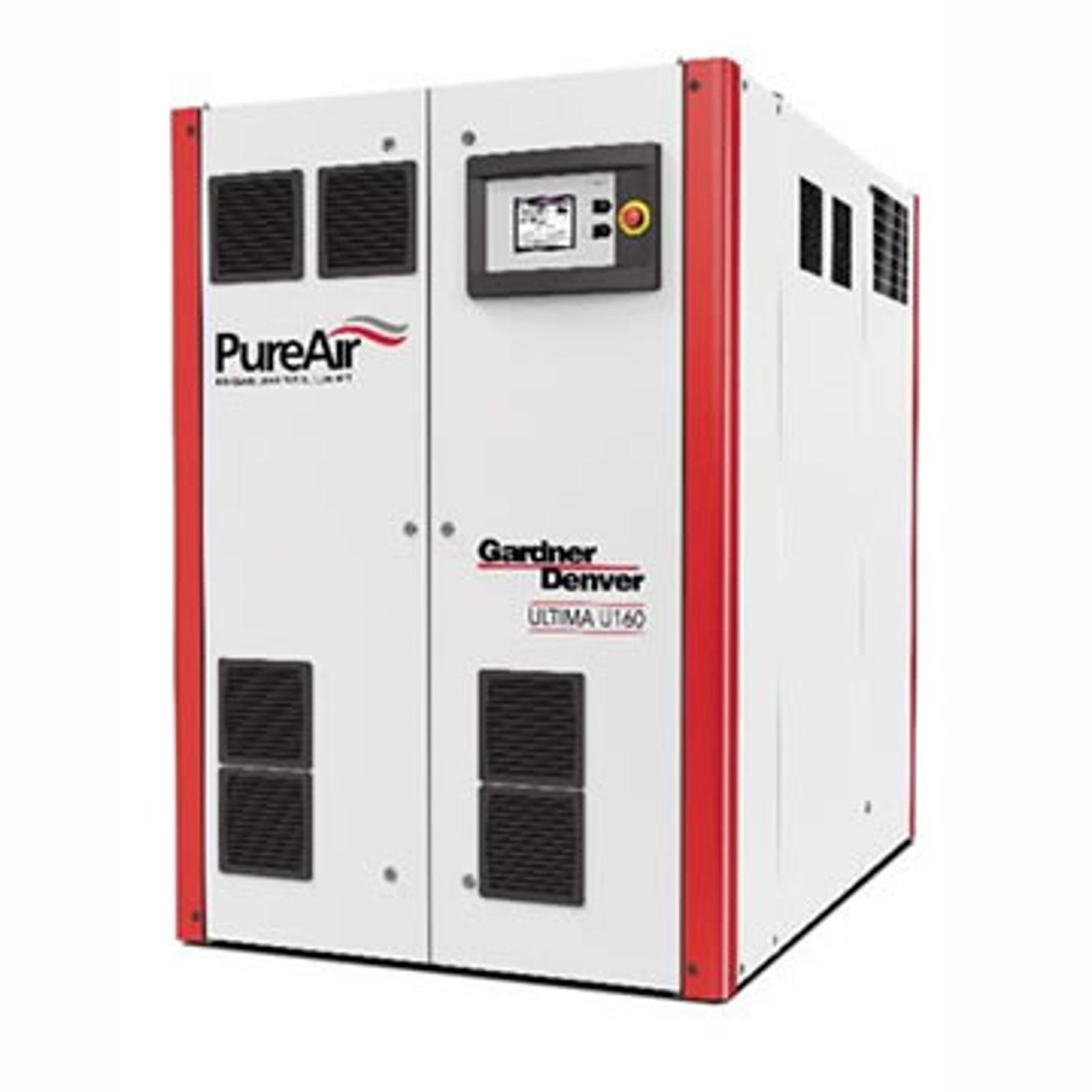
Oil-free scroll compressors are best for intermittent to moderate air demand where clean, consistent compressed air is needed close to the point of use. They are known for very quiet operation, low vibration, a small footprint, simple design, and fewer moving parts.
Scroll compressors are typically used in the roughly 3–40hp range and can provide up to about 125 CFM. That makes them a strong fit for medical and dental facilities, laboratories, electronics manufacturing, small food and beverage applications, instrument air, and point-of-use clean air systems.
When Is an Oil-Free Rotary Screw Compressor the Right Choice?
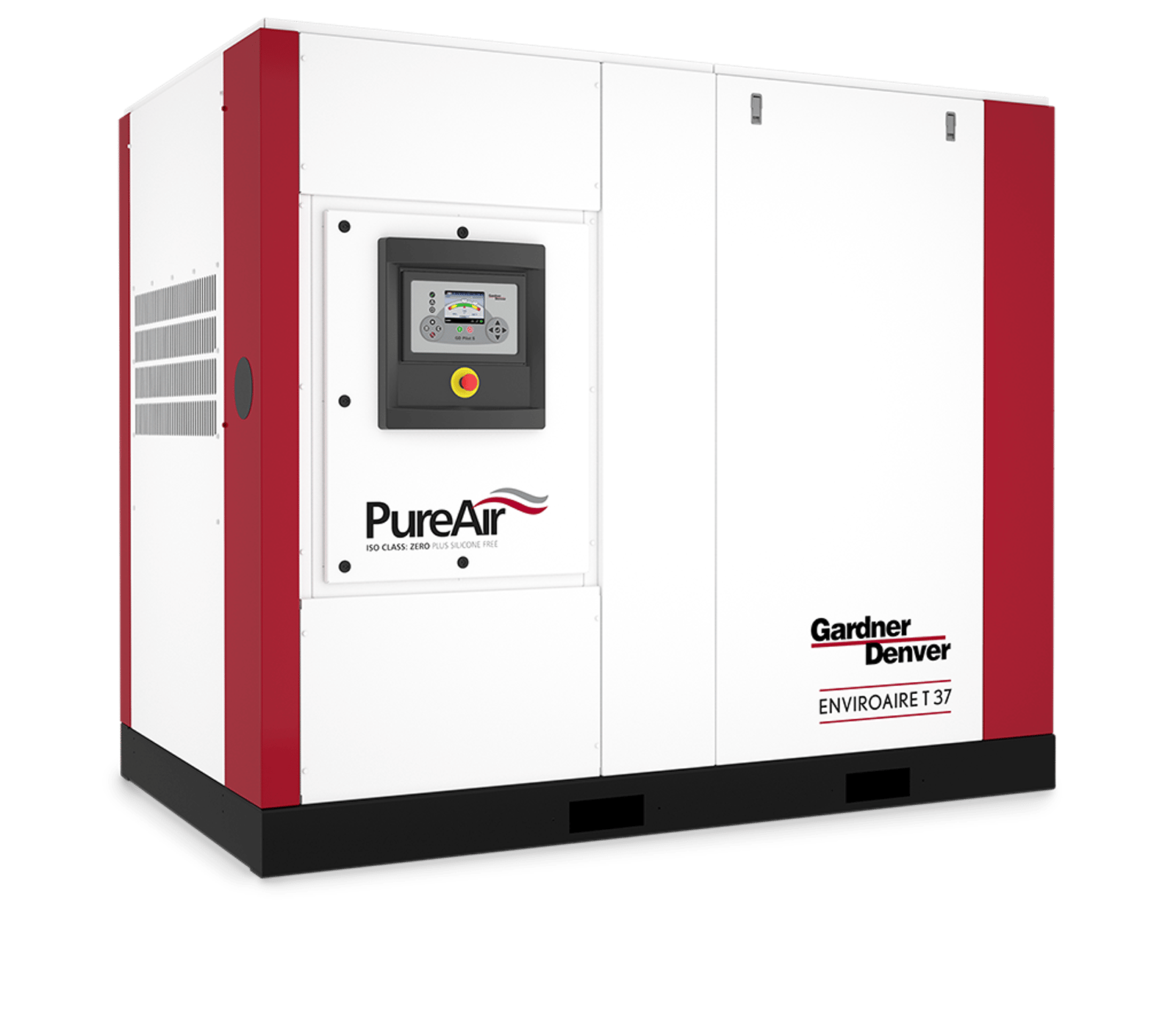
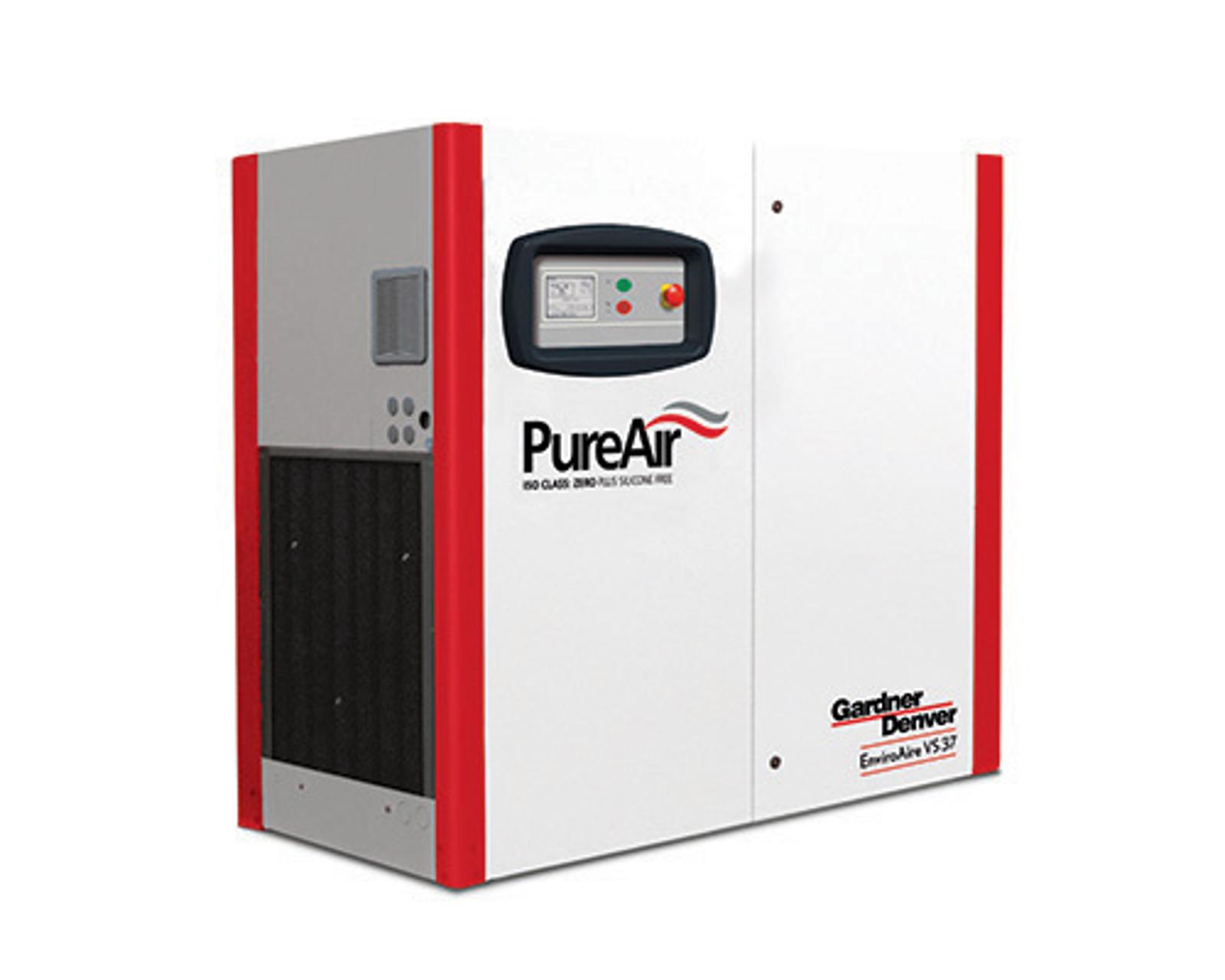
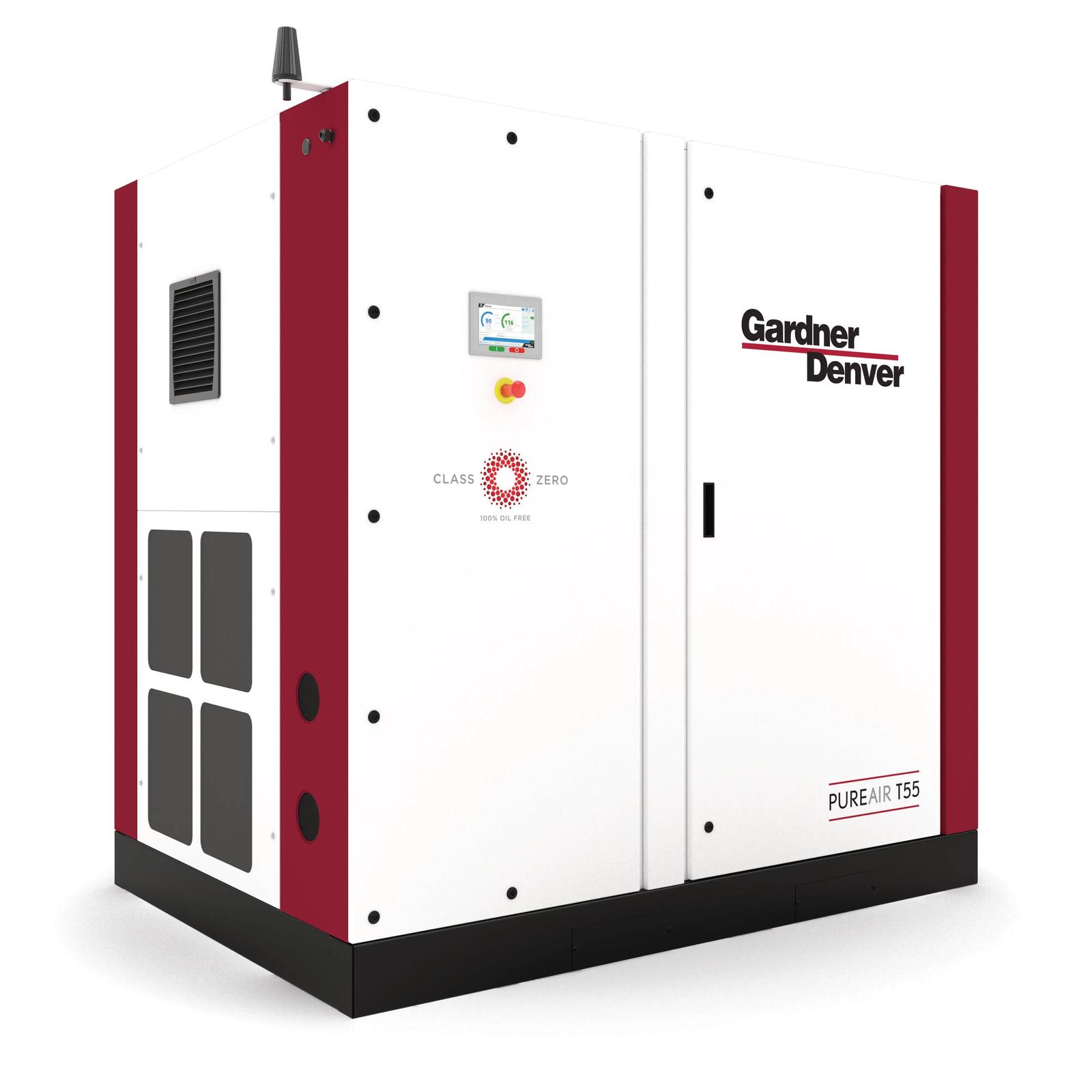
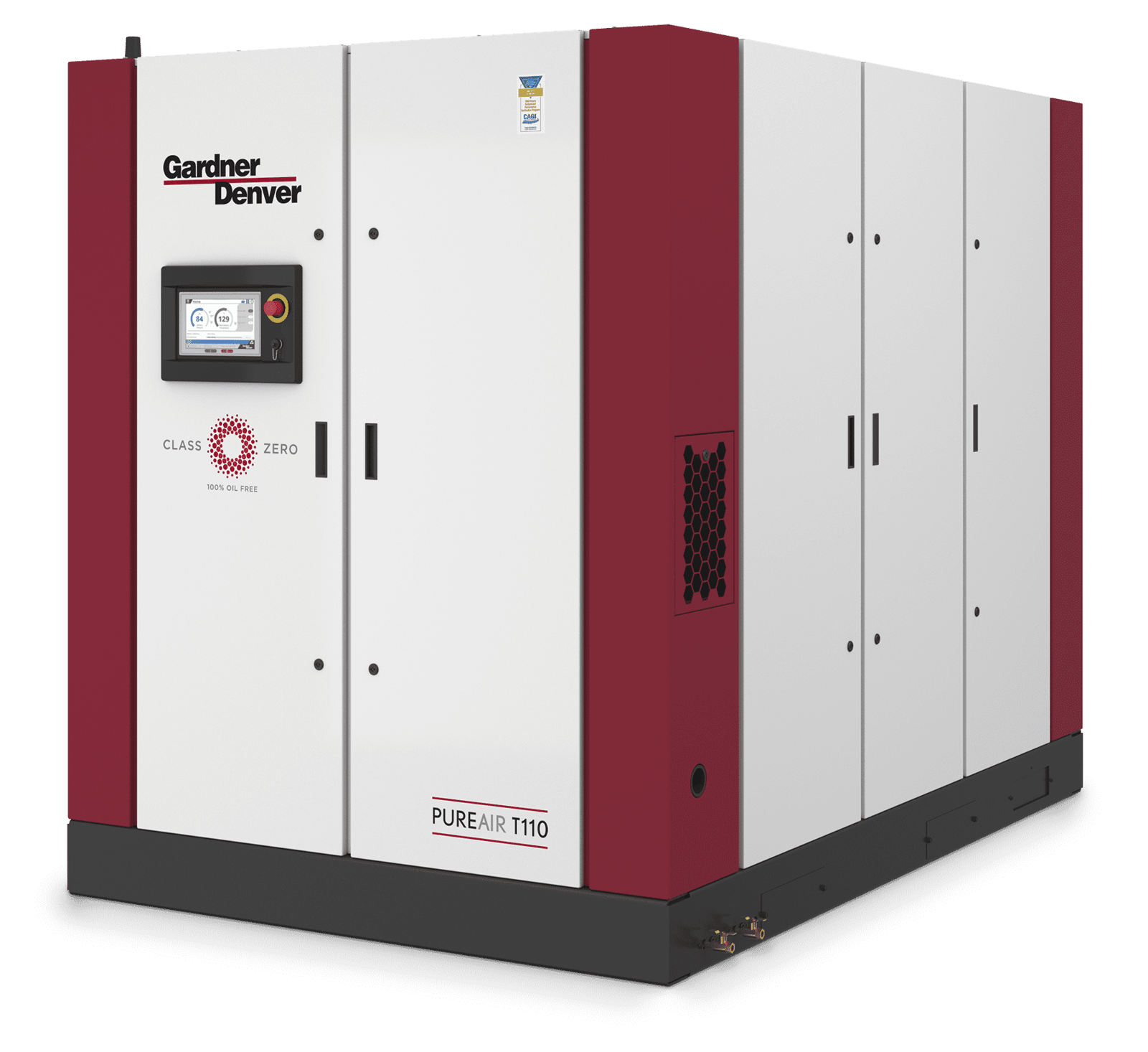
Oil-free rotary screw compressors are best for larger facilities with continuous or plant-wide air demand. They are known for higher airflow capacity, robust performance in industrial environments, and lower lifecycle cost at larger flows. Many models are also available with variable speed drive technology to help improve energy efficiency when demand changes throughout the day.
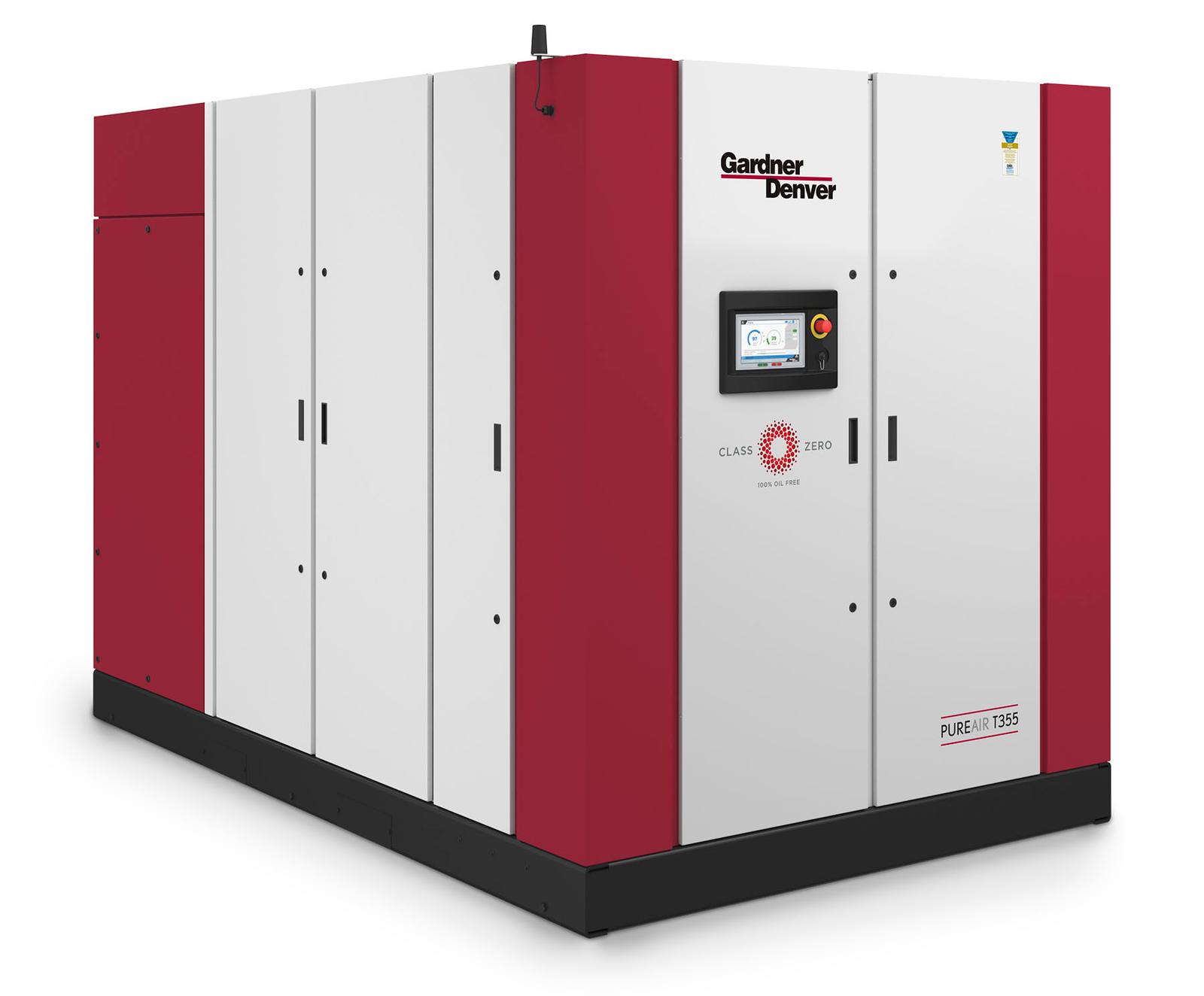
Rotary screw compressors are typically used in the roughly 50hp and up range, with Gardner Denver oil-free rotary screw options spanning approximately 37–355 kW. That makes them a strong fit for manufacturing plants, automotive facilities, food and beverage plants, pharmaceutical production, electronics factories with plant-wide demand, and any facility running continuously.
Oil-Free Air Compressor Comparison Guide
Use the table below to compare oil-free technology side by side.
Criteria | Oil-Free Scroll | Oil-Free Rotary Screw |
Air demand | Best for intermittent to moderate air demand, often close to the point of use. | Best for continuous operation and larger airflow demand. |
Typical horsepower range | 3-40hp | 50hp+ |
Advantages | Very quiet operation, low vibration, small footprint, simple design, and fewer moving parts | Higher airflow capacity, better support for 24/7 operation, strong performance in industrial environments, lower lifecycle cost at larger flows, and available VSD technology for energy savings. |
Industries that commonly use this air compressor type | Medical and dental facilities, laboratories, electronics manufacturing, small food and beverage applications, instrument air, and point-of-use clean air systems. | Manufacturing plants, automotive facilities, food and beverage plants, pharmaceutical production, electronics factories with plant-wide demand, and any facility running continuously. |
Why Choose Gardner Denver for Oil-Free Air Compressors?
When clean compressed air is critical, Gardner Denver’s range of oil-free products are built to last and help keep your systems running efficiently. We stand behind our promise of 100% oil-free and silicone-free air, supported by an extensive USA distributor network and a 24/7 global technical support team.
100% Oil-Free + Silicone-Free
ISO 8573-1 Class 0 Certified
Extensive USA Distributor Network
24/7 Technical Support
iConn Smart Flow Management
on Select Systems
Frequently Asked Questions about Oil-Free Air Compressors
Oil-lubricated compressors inject oil into the compression chamber to help seal the space between the rotors, cool the compressor, and improve efficiency. Oil-free compressors do not inject oil into the compression chamber. Some oil-free compressors still use oil to lubricate bearings and gears, but that oil does not come into contact with the compressed air stream.