As hydraulic systems become more demanding and modern truck chassis continue losing available installation space, fleets are being forced to balance cooling performance, packaging constraints, payload optimization, maintenance accessibility, and hydraulic reliability more carefully than ever before.

From pioneering the original Hydrapak hydraulic cooling system in 1983 to developing today’s compact hydraulic oil conditioning technologies, Gardner Denver continues to engineer hydraulic cooling solutions specifically for transport applications.

Protect from Heat

The right hydraulic cooling strategy helps operators maintain stable temperatures while improving uptime, reducing maintenance, and protecting critical hydraulic components under demanding transport conditions.

Maximize The Frame Rail

Reducing installation footprint improves equipment packaging flexibility, simplifies upfitting, improves maintenance accessibility, and helps operators integrate additional transport equipment more efficiently.

Less Weight. More Payload

Lighter hydraulic systems also help reduce chassis loading, simplify installation, and lower environmental spill exposure through reduced oil capacity.

Hydraulic cooling performance

Protect Hydraulic Systems from Excessive Heat

Hydraulic cooling performance affects far more than operating temperature alone.

In transport applications, excessive hydraulic heat can shorten seal life, reduce oil performance, increase component wear, and create costly downtime across pumps, motors, PTO systems, and hydraulic circuits. Poor airflow, oversized reservoir systems, and continuous-duty operation can all contribute to elevated operating temperatures that gradually reduce hydraulic reliability over time.

LVVWD Wheel Lift Rear
Compact Systems

Maximize Valuable Frame Rail Space

Modern truck chassis have become significantly more crowded over the last decade.

Fuel tanks, DEF tanks, tool boxes, step rails, compressors and pumps, continue reducing available frame rail space across transport applications. That has made hydraulic packaging one of the biggest installation challenges facing fleets and upfitters today.

Traditional reservoir systems often require large installation footprints and additional airflow clearance, limiting mounting flexibility and complicating chassis layout. Compact hydraulic oil conditioning systems are designed to preserve valuable frame rail space while maintaining cooling performance under demanding operating conditions.

First Class Truck
Reduced System Weight

Reduce Weight and Preserve Payload Capacity

Hydraulic system weight directly impacts payload capacity.

Large reservoir systems increase overall truck weight, reducing the amount of legal payload operators can carry while also increasing fuel consumption and installation demands. In transport applications where payload revenue matters, unnecessary hydraulic system weight becomes an operational disadvantage.

Modern hydraulic oil conditioning systems are engineered to reduce overall system weight while maintaining cooling efficiency and long-term reliability. Reduced oil volume and compact system design help fleets improve payload potential without sacrificing hydraulic performance.

Hydrapak

Operational Priority

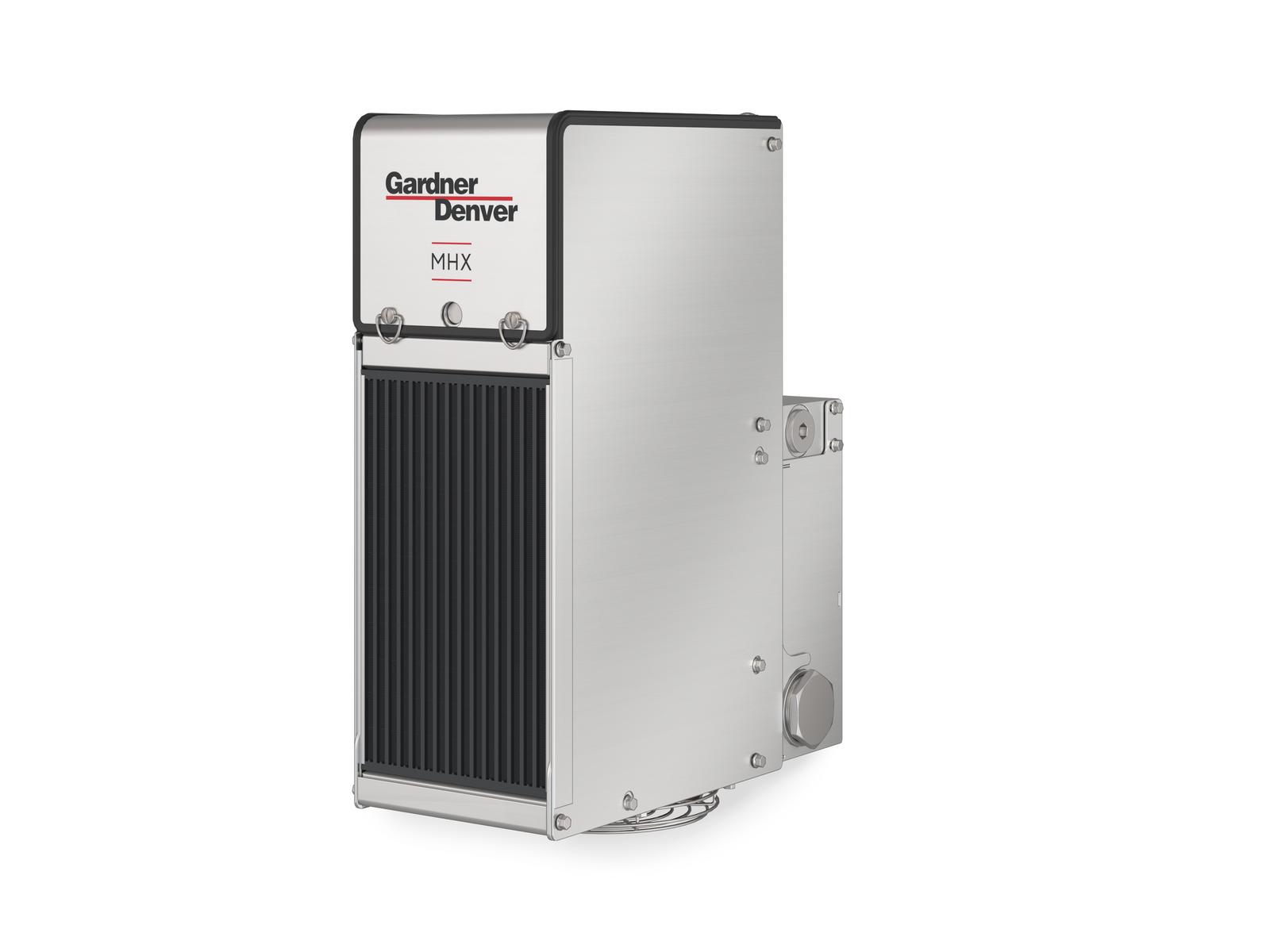
MHX HYDRAPAK Series

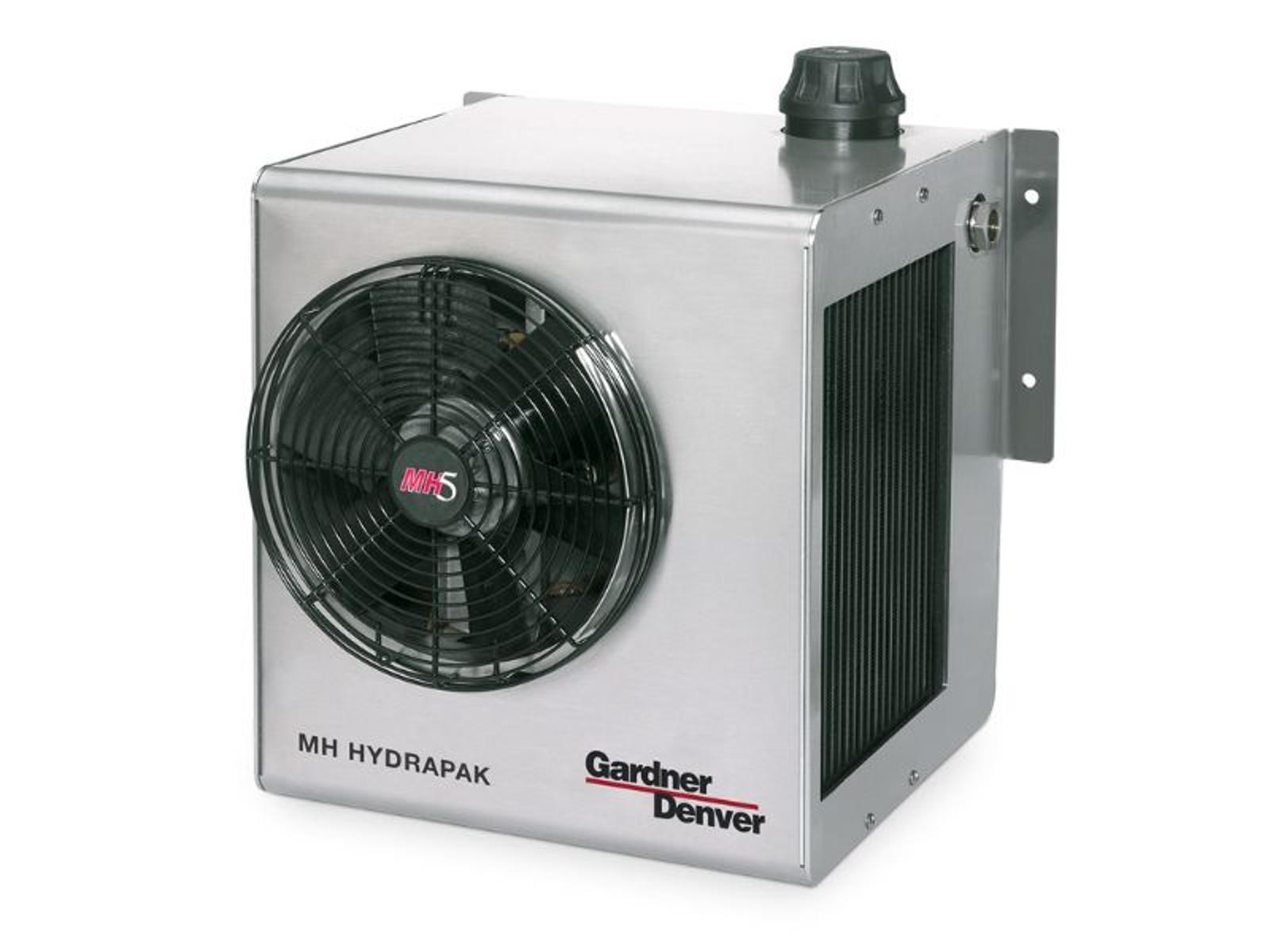
MH Series HYDRAPAK

Traditional Reservoir Systems

Built For

Modern trucks with limited frame rail space

Demanding continuous-duty transport applications

Conventional hydraulic system layouts

Frame Rail Space Optimization

Ultra-compact narrow-profile design preserves chassis space

Compact integrated hydraulic package

Large installation footprint consumes chassis space

Payload & Weight Efficiency

Lightweight system helps maximize payload potential

Reduced weight compared to traditional reservoir systems

Heavier systems reduce payload capacity

Cooling Performance Under Demanding Operation

Efficient cooling in compact transport applications

Designed for continuous-duty hydraulic temperature management

Dependent on larger reservoir capacity and airflow

Installation Simplicity

Simplified packaging on crowded modern chassis

Streamlined all-in-one hydraulic system layout

More complex installation and routing requirements

Maintenance Accessibility

Removable panels and simplified service access

Maintenance-friendly integrated system design

Often more difficult to access and service

Hydraulic Oil Volume & Spill Exposure

Reduced oil volume lowers spill exposure

Optimized transport-focused reservoir sizing

Larger oil capacity increases spill exposure

Packaging Flexibility for Modern Trucks

Ideal for highly space-constrained transport applications

Flexible for demanding transport hydraulic systems

Less adaptable to crowded chassis layouts

Long-Term Hydraulic Reliability

Designed to maintain cooling performance in compact spaces

Proven reliability across demanding operating environments

Traditional hydraulic configuration

Typical Transport Applications

Liquid bulk, utility, food-grade transport

Vacuum trucks, dry bulk, bulk feed, LP gas, live floor, mining

General hydraulic reservoir applications

Prevent Downtime Before It Starts

Hydraulic system failures rarely begin with catastrophic breakdowns.

More often, reliability issues start with excessive operating temperatures, restricted airflow, contaminated hydraulic oil, oversized reservoir systems, or installation layouts that were never designed around modern transport equipment constraints.

Proper hydraulic oil conditioning helps fleets maintain stable operating temperatures, reduce wear on critical hydraulic components, simplify maintenance, improve payload efficiency, and support long-term system reliability under demanding operating conditions.

Improve Hydraulic Reliability Under Continuous Operation

Hydraulic reliability depends heavily on temperature control, airflow management, packaging efficiency, and maintenance accessibility.

Excessive hydraulic oil temperatures can accelerate component wear, reduce lubrication performance, damage seals, and shorten the life of pumps and hydraulic motors. Restricted airflow, oversized systems, and poor installation layouts can all place additional stress on truck-mounted hydraulic systems operating under continuous-duty conditions.

Maintaining stable hydraulic oil temperatures helps extend service intervals, improve uptime, reduce maintenance costs, and protect hydraulic components across demanding transport applications.

In many cases, hydraulic system problems begin gradually through excessive heat buildup long before catastrophic failure occurs.

Hydraulic Oil Cooler Frequently Asked Questions

Hydraulic systems commonly overheat due to insufficient cooling airflow, excessive operating pressure, contaminated hydraulic oil, or continuous-duty operation under demanding conditions. Modern truck packaging constraints can also restrict airflow around hydraulic cooling systems, making temperature management more difficult.

Explore Hydraulic Transport Resources

Learn more about hydraulic oil conditioning, transport application cooling requirements, installation considerations, and hydraulic system optimization through Gardner Denver transport resources

Reach Out to Us

Find a Distributor