
Quieter, Cleaner Flow: How to Stabilize Pneumatic Conveying
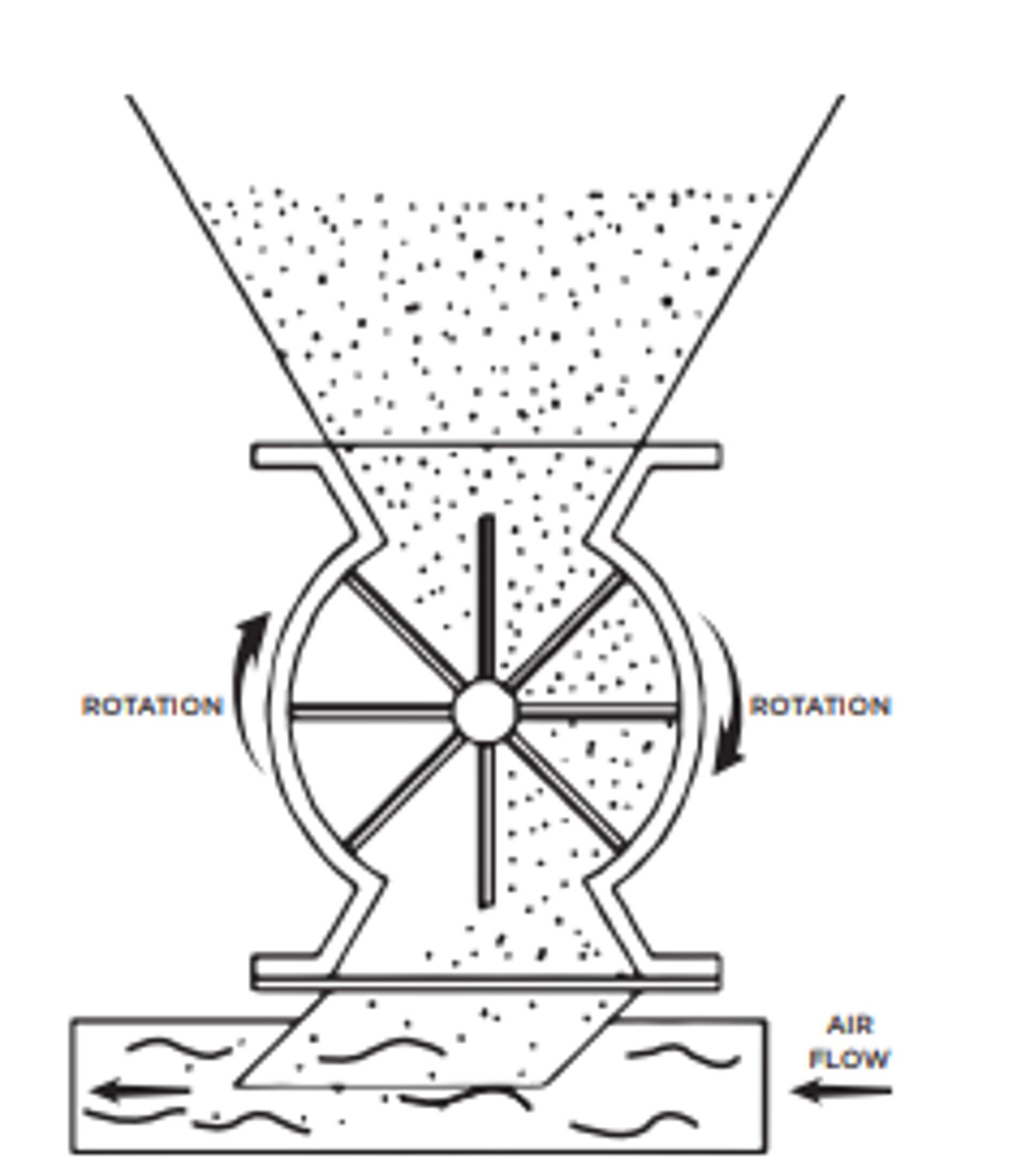
If you’ve ever increased air “just to be safe” and watched throughput drop—or deliberately avoided a blower room due to extreme noise levels—you’re not alone. Most conveying issues come down to four fundamentals: material behavior, line feeding, air delivery, and receiver separation. When these are aligned, alarms quiet down, rates stabilize, and operators stop treating the blower room like a hazard zone.
For a deeper dive into these fundamentals, download the free Troubleshooting Pneumatic Conveying Systems white paper. It includes field diagnostics and a sample system characteristic curve you can use as a benchmark.
.png?format=pjpeg&width=1600&quality=75&auto=webp)
Fixing Flow Starts with Air Control
More air isn’t always better. Excess volume can spike velocity, waste energy, and reduce capacity. Before changing hardware, try trimming volume while monitoring rate, pressure, and receiver differential. This simple test often reveals if you're moving too much gas for the solids.
Pulsation is another hidden issue. It raises noise, wears out bearings, and disrupts instrumentation. The HeliFlow® Twisted Tri-Lobe design smooths pressure pulses, lowering noise and extending component life—benefits you can hear and measure. PD blowers deliver consistent volume per revolution, making them ideal for dilute-phase runs with shifting system pressure.
Right-Sizing the Blower
Gardner Denver’s portfolio— Sutorbilt Legend, DuroFlow, HeliFlow, and CycloBlower HE. These options let you match rate, pressure, footprint, and noise targets without over-spec’ing.
Optimize for Stability and Longevity
Use actual rate, line length, elbow count, and pressure—not legacy specs. If operators are near the skid, prioritize low pulsation. For finer control, consider VFD-equipped packages.
If elbows wear out fast or plugs form in the same spot, reduce velocity and revisit bends, slopes, and diameter transitions. Small layout tweaks can yield big stability gains.
To begin optimizing, start with a quick assessment:
- Confirm the material is suited to the conveying mode
- Check for leaks at line charger and joints
- Compare feeder delivery to bulk density
- Review receiver media, air-to-cloth ratio, and ΔP trends
These basics often explain recurring plugs, rate drops, and high ΔP.
Proof in Practice: JM Huber
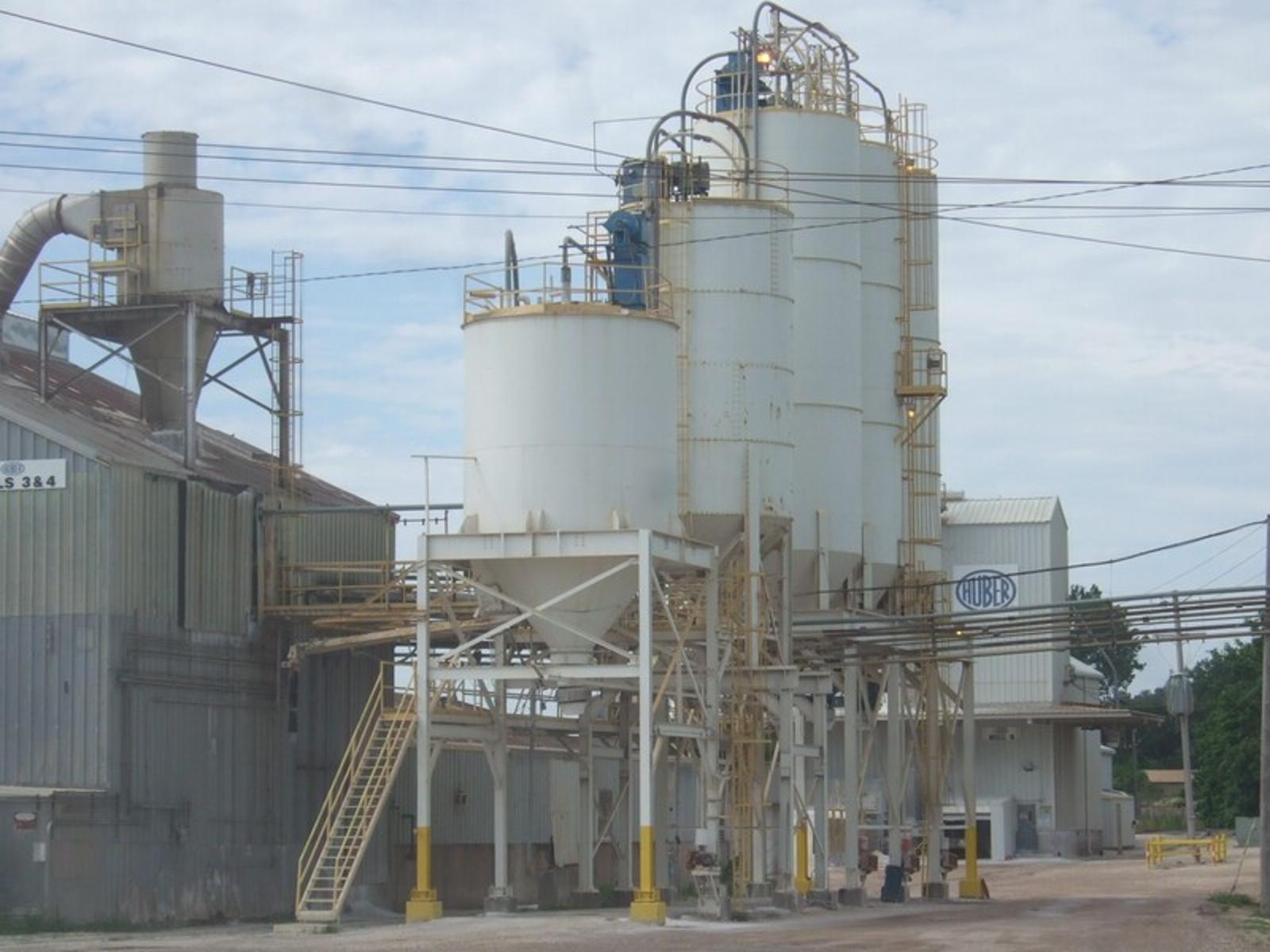
In a calcium carbonate facility, blower room noise dropped from 120 dBA to below 90 dBA after switching to HeliFlow. Blower life extended by 100 to 150 percent, improving safety and uptime.
.png?format=pjpeg&width=1600&quality=75&auto=webp)
Take the next step:
Download the white paper—Troubleshooting Pneumatic Conveying Systems—for practical field methods and a system characteristic curve you can compare to your line.
Read the JM Huber case study to see how lowering pulsation and noise also improved reliability and blower life.
Explore PD blower options and connect with an authorized distributor when you want help translating diagnostics into a scoped trial on your line.
Reach Out to Us