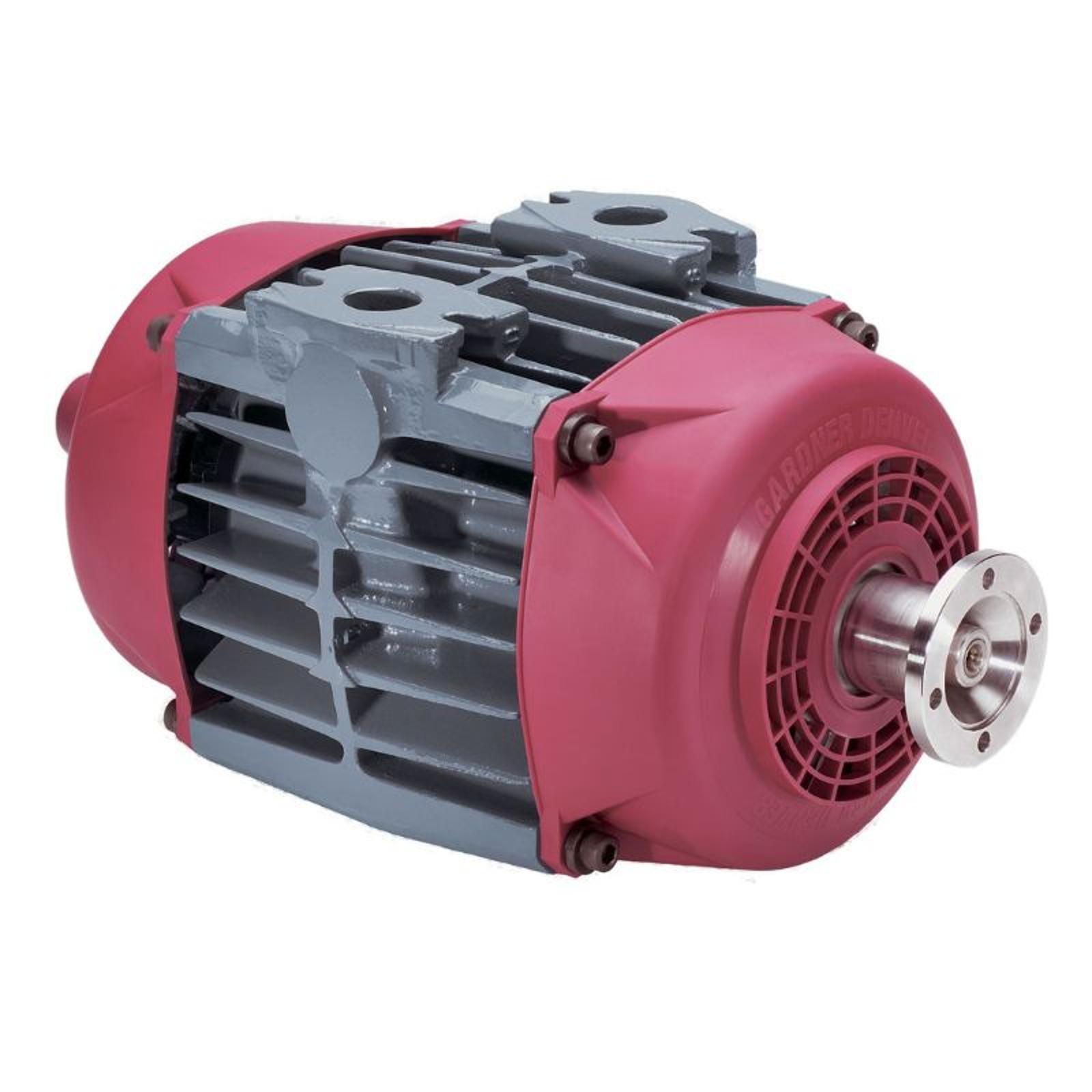
GD150 Maintenance Procedures & Inspection Guide

This guide gives qualified technicians and service personnel specific inspection procedures, limits and replacement criteria for critical GD150 components.

Rather than relying only on visual checks or waiting for a noticeable change in compressor performance, technicians can use defined inspection points to determine when maintenance is required and, just as importantly, when the compressor should not be returned to service. 

GD150 Maintenance Procedures & Inspection Guide

What’s Included in the Guide?

The guide is intended for qualified technicians and service personnel performing maintenance that goes beyond routine visual inspection. 


It provides procedures and technical criteria covering: 

  • Monthly relief valve operation and stop criteria
  • Check valve inspection and replacement
  • Silencer and pipework corrosion inspection
  • Bearing lubrication requirements
  • Air inlet filter and blockage indicator inspection
  • Filter cleaning and replacement
  • Six-month vane wear measurements
  • Critical vane replacement thresholds
  • Warranty and tamper seal requirements
  • Safe cleaning requirements
  • Conditions requiring the compressor to remain out of service

If an inspection reveals damage, unsafe conditions or an out-of-tolerance result, do not operate the compressor until the condition has been corrected. 

Turn GD150 Maintenance Into Measurable Decisions

One of the most valuable aspects of the GD150 guide is that several inspections aren’t simply “check and monitor” tasks. 


They provide technicians with defined criteria for deciding what happens next. 

Maintenance Area 

Inspection / Interval 

Action or Critical Limit 

Relief Valve 

Monthly operation recommended 

Replace before operation if maximum pressure exceeds set pressure by more than 3 PSI (0.2 bar) 

Check Valve 

Inspect when required 

Replace entire valve if there is doubt about condition or sealing integrity 

Air Inlet Filter 

Monitor blockage indicator 

Clean or replace if indicator enters red during operation 

Filter Element 

Replace every 12 months 

Replace sooner if cleaning does not return blockage indicator to unblocked condition 

Vane Wear 

Every 6 months 

Replace before measurement reaches 0.63 in (16 mm) 

Silencers / Pipework 

Inspect condition 

Address corrosion, damage, looseness or degraded fixings 

Bearings 

No regular greasing required 

If additional greasing is required by service instructions, use Petamo GHY 443 only 


Pressure Control Problems Need More Than a Visual Check

The GD150 & GD175 Series Oil-Free Liquid Bulk Compressors relief valve should be operated monthly according to the applicable operating method for the system. Before testing, visually inspect it for obvious damage, corrosion or contamination.

During operation, observe pressure behavior and record the readings. Calibrated pressure measurement should be used where possible, and hearing protection is required during relief valve operation.

There is also a clear stop criterion:

If the maximum pressure reading exceeds the relief valve set pressure by more than 3 PSI (0.2 bar), stop the test.

The relief valve must be replaced before the compressor is operated again.

Repeated relief valve activation or other out-of-tolerance pressure behavior should also be treated as a condition requiring further corrective action rather than continued operation. 

Product Photo Gd150 and gd175 V1

A Restricted Air Inlet Can Tell You There’s a Maintenance Problem

The GD150 air inlet blockage indicator provides technicians with a direct indication of inlet restriction.

It is designed to show and hold the maximum inlet blockage encountered.

The indicator reaches 100% blockage when inlet vacuum reaches:

0.7 PSI (50 mbar)

If the indicator enters the red portion of the scale while the compressor is operating, the filter must be cleaned or replaced.

With the machine stopped, accumulated debris can be removed by opening the air inlet filter end cap, emptying dust and dirt from the main filter cavity, cleaning the area and correctly reinstalling the end cap.

For deeper cleaning, remove the filter element and use low-pressure air through the inside of the element.

The filter element, should be replaced every 12 months, or sooner when cleaning no longer returns the blockage indicator to an unblocked condition. 

Vane Wear Is a Measurement, Not a Guess

Vanes may provide considerable service under normal operating conditions, but their condition eventually becomes critical to compressor performance.

That’s why the GD150 guide specifies a six-month vane wear inspection.

Qualified technicians remove pipework from the most convenient port, typically the upper port, and rotate the rotor until a vane slot is positioned perpendicularly opposite the port. The vane is pushed to the bottom of the slot and the specified distance is measured. 


Measurement 

Requirement 

Inspection frequency 

Every 6 months 

Dimension A performance threshold 

0.63 in (16 mm) 

Corresponding vane width 

1.42 in (36 mm) 

Required action 

Replace vanes before Dimension A reaches 0.63 in (16 mm) 

Performance begins to deteriorate when the measurement reaches 0.63 in (16 mm). 

Vanes should therefore be replaced before reaching this threshold. 

Check the Components Around the Compressor Too

Not every maintenance concern originates inside the GD150. 


Check Valve Condition

The check, or non-return, valve helps maintain correct non-return operation. 

Remove the valve and inspect it for signs of wear, damage, contamination or seat degradation. 

The replacement rule is intentionally straightforward: 

If there is any doubt about the valve’s condition or sealing integrity, replace the entire valve. 

New gaskets may be required during reinstallation, and gasket condition and fitment should be verified during assembly. 


Silencers and Pipework

Inspect silencers, where fitted, and pipework for: 

  • Damage
  • Corrosion
  • Looseness
  • Degraded fixings
  • Chipped paint
  • Exposed metal

Where paintwork has been damaged, remove corrosion, treat the affected area with rust inhibitor and repaint as required. 

Replacement paint must withstand temperatures up to 356°F (180°C). 

Two Maintenance Mistakes Can Create Bigger Problems

The guide calls particular attention to two practices technicians need to avoid. 


Don’t Remove Warranty Tamper Seals 

Tamperproof lead seals are fitted into several cap screws on each side plate. 

Removing these seals during the warranty period invalidates the warranty. 

Technicians should verify that the seals remain intact before and after service activities performed near the side plates. 


Don’t Steam or Water Clean a Hot GD150 

The compressor can be carefully cleaned using steam or water jets only when the machine is cold. 

Cleaning the compressor while hot may cause serious damage. 

Confirm that the machine has cooled before performing any steam or water cleaning.

Know When the GD150 Should Stay Out of Service

Perhaps the most important maintenance decision isn’t determining what needs to be serviced. 


It’s recognizing when the compressor should not go back to work. 

Stop operation and do not return the GD150 to service if inspection identifies conditions including: 

  • Wear or scoring
  • Leakage
  • Repeated relief valve activation
  • Out-of-tolerance pressure behavior
  • Pressure exceeding the relief valve set pressure by more than 3 PSI (0.2 bar)
  • Corrosion that compromises equipment integrity
  • Vane wear approaching the specified limit
  • Damage or unsafe conditions identified during inspection


Continuing operation with unresolved conditions can cause equipment damage or create unsafe operating conditions. 

Country

Your request will be forwarded to the relevant individuals to assist with your request.
By clicking 'Send' you are authorizing Gardner Denver to contact you so that we may fulfill your request, as well as to communicate with you regarding our products and services.
Terms and Conditions
Privacy Policy

(* required fields)

This site is protected by reCAPTCHA.

Frequently Asked Questions

GD150 vane wear should be checked every six months. The inspection requires measuring the specified distance between the vane and the top of the slot. Vanes should be replaced before the measurement reaches 0.63 in (16 mm). 

Reach Out to Us