
Is a Variable Speed Air Compressor Worth It?
The short answer: A variable speed drive (VSD) air compressor can be worth the higher upfront cost when compressed air demand rises and falls. If demand stays relatively constant, a fixed-speed compressor may be the more efficient and economical choice.
Variable speed drive air compressors are known for energy efficiency. They can adjust output based on actual demand, instead of producing as though every moment was a peak-production moment. But variable speed isn't the right answer for every facility.
“Compressors as a whole come down to application, application, application,” says Jim Felty, a Gardner Denver compressed air expert. In a recent conversation about variable speed selection, Felty said the value of VSD depends on the way a facility actually consumes air.
At Gardner Denver, we help you find an air compressor you can count on, whether your operation needs oillubricated or oil-free technology, fixed speed or variable speed. In this article, we’ll explore how variable speed air compressors work, where they can save you money, and when another option may make more sense—so you can decide whether the investment is worth it for your operation.

What does a variable speed air compressor actually do?
Variable speed air compressors change compressor output to match the amount of air the system needs at a given moment.
Think of the technology like the adaptive cruise control you might have in your car. Traditional cruise-control systems stick to one speed. But adaptive cruise control slows down and speeds back up based on the traffic ahead of you.
A VSD compressor operates on a similar idea, producing only as much air as your system requires. If a compressor system has the capacity to produce 1,000 CFM, but the plant only needs 800 CFM, then the drive can reduce output.
How much more does a variable speed compressor cost?
At Gardner Denver, our variable speed air compressors can be priced about 25% to 30% higher than our comparable fixed-speed air compressors.
But although the upfront cost is higher, the total operating cost can be much lower, especially for facilities with variations in demand.
"Your capital cost might be 30% more expensive, but your operating costs are many times 30% less expensive," Felty said. "You'll end up saving money because your ongoing energy costs are so much less."
But not every installation delivers that result—that's why it's important to make sure your application makes sense first.
Energy rebates may help narrow that upfront price gap, too. Some utilities offer incentives for qualifying variable speed compressor installations. These can lower what you pay for the compressor, meaning that it takes less time for energy savings to cover the added upfront cost.
Availability, amounts, and eligibility requirements vary by program, so check with your local utility before buying a variable speed air compressor.
When is a variable speed air compressor worth it?
Variable speed drive air compressors have the best return on investment when air demand changes throughout a shift, week, or production cycle.
Say you have a facility that needs 1,000 SCFM during peak production but only 750 SCFM for most of the time. A fixed-speed compressor can handle that peak, but it can’t slow down when demand drops. So you could be spending more on energy costs than necessary to supply the air you actually need.
A variable speed compressor can follow the changing load. The higher upfront cost is worth it for those who have demand with peaks and valleys. The more meaningful those peaks and valleys are, the more opportunity there may be for VSD to earn back its initial premium.
When is variable speed not worth the added cost?
If your air demand stays consistently high, a fixed speed compressor might be the better value.
"You can run a variable speed compressor at 100% all day long and never affect the life of the compressor, but you will affect the efficiency of the compressor," Felty said. "There’s generally a drop-off somewhere between 90 and 93% load where you start to lose efficiency on a variable speed that you would gain on a fixed speed."
On the other extreme, if you only use air in short bursts with long breaks between jobs, then you might want to consider a reciprocating air compressor. That's because a rotary screw compressor can't reach sufficient operating temperature if it's not running long enough. And when that happens repeatedly, moisture can build up in the lubricant, causing corrosion and premature wear that can shorten the compressor’s life.
What operating range makes the strongest case for variable speed drive air compressors?
A variable speed compressor can generally operate from about 30% to 100% of capacity, but you'll get the best efficiency gains if your compressor spends most of its time in the 50% to 80% range.
Consistently operating too low can create problems. And if you're consistently operating near the top of the range, you should consider whether a properly sized fixed speed compressor would be more appropriate.
Can my air compressor system combine fixed-speed and variable speed options?
Often, yes. Fixed-speed compressors can cover predictable base demand while a variable speed air compressor trims the changing portion of the load.
Say you need 200-600 SCFM on most days, but demand occasionally spikes toward 1,000 SCFM. You could potentially use three fixed-speed air compressors rated at 200 SCFM each to cover your everyday demand, plus one larger variable speed air compressor to make up the shortfall during those peaks.
The downside to this scenario is now you're buying more air compressors than you may have originally planned. And yes, buying just one air compressor does sound simpler.
"But there are a lot of applications where you really can't do a one-size-fits-all," Felty said.
The decision comes down to balancing the cost of additional equipment against energy use, backup capacity, and your plant’s actual production requirements.
So, is a variable speed drive air compressor worth it?
Now that you understand how a variable speed air compressor works and how it can save you money, the next step is seeing if it's worth it for your specific application.
If your air demand has peaks and valleys throughout the day, a compressor that adjusts its output to match may be a good fit. If your air use stays consistently high, or you only need small amounts of air in short bursts, another option might make more sense.
Not sure which option is right for you? We can help you understand how your air demand changes throughout the day and point you toward a compressor that fits your operation.
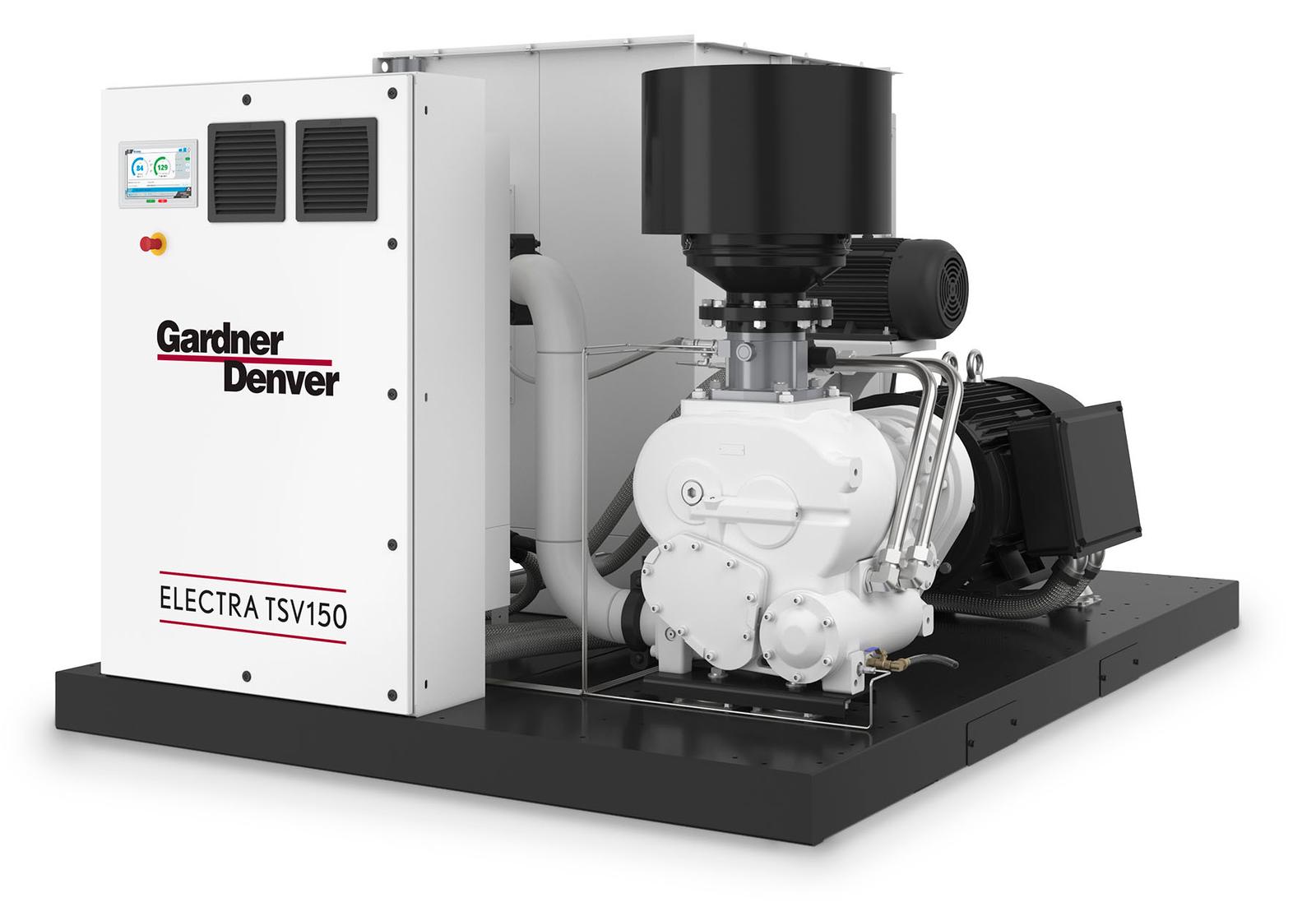
Electra TSV Series 150-225 kW Rotary Screw Air Compressors
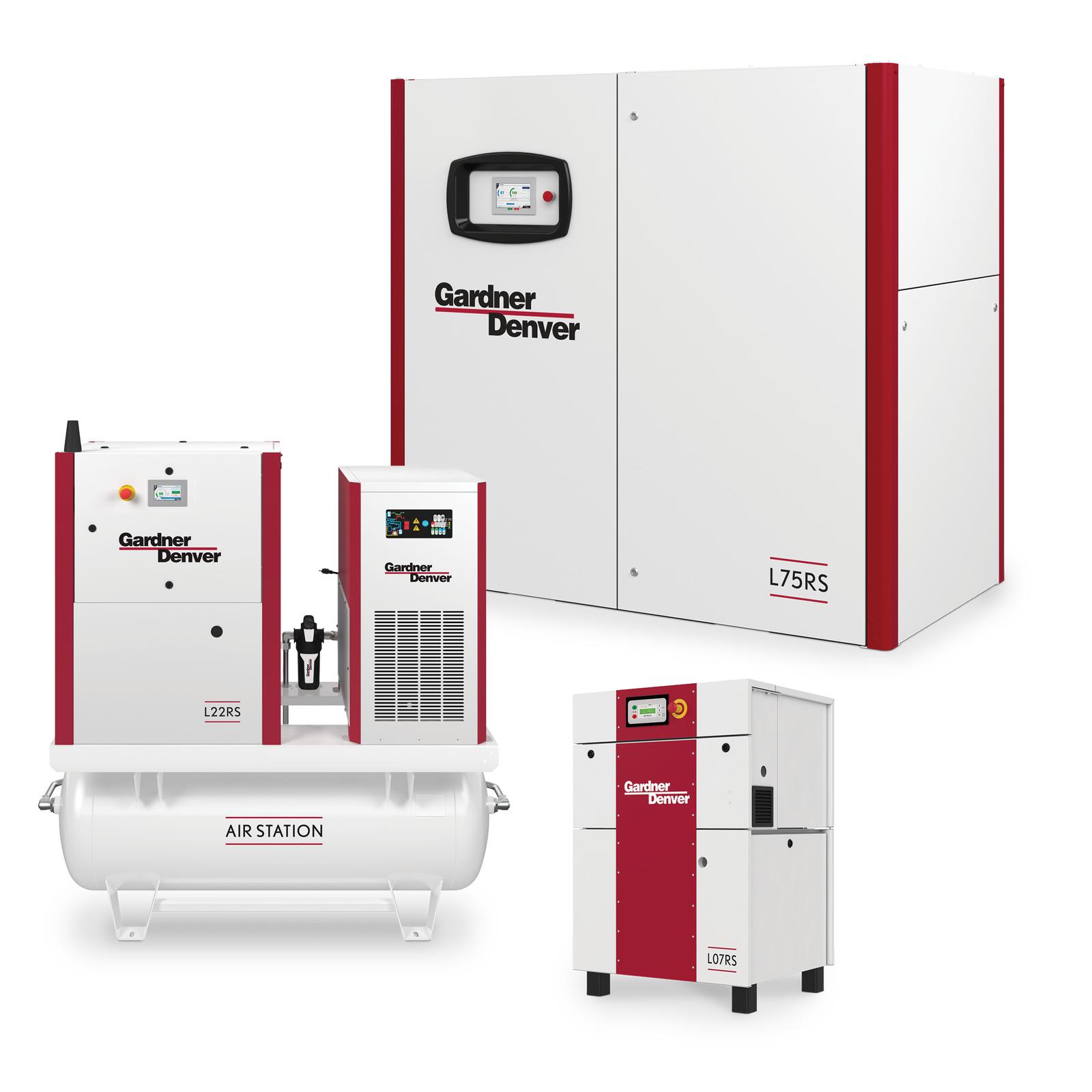
LRS-Series 10-400 HP Rotary Screw Air Compressors
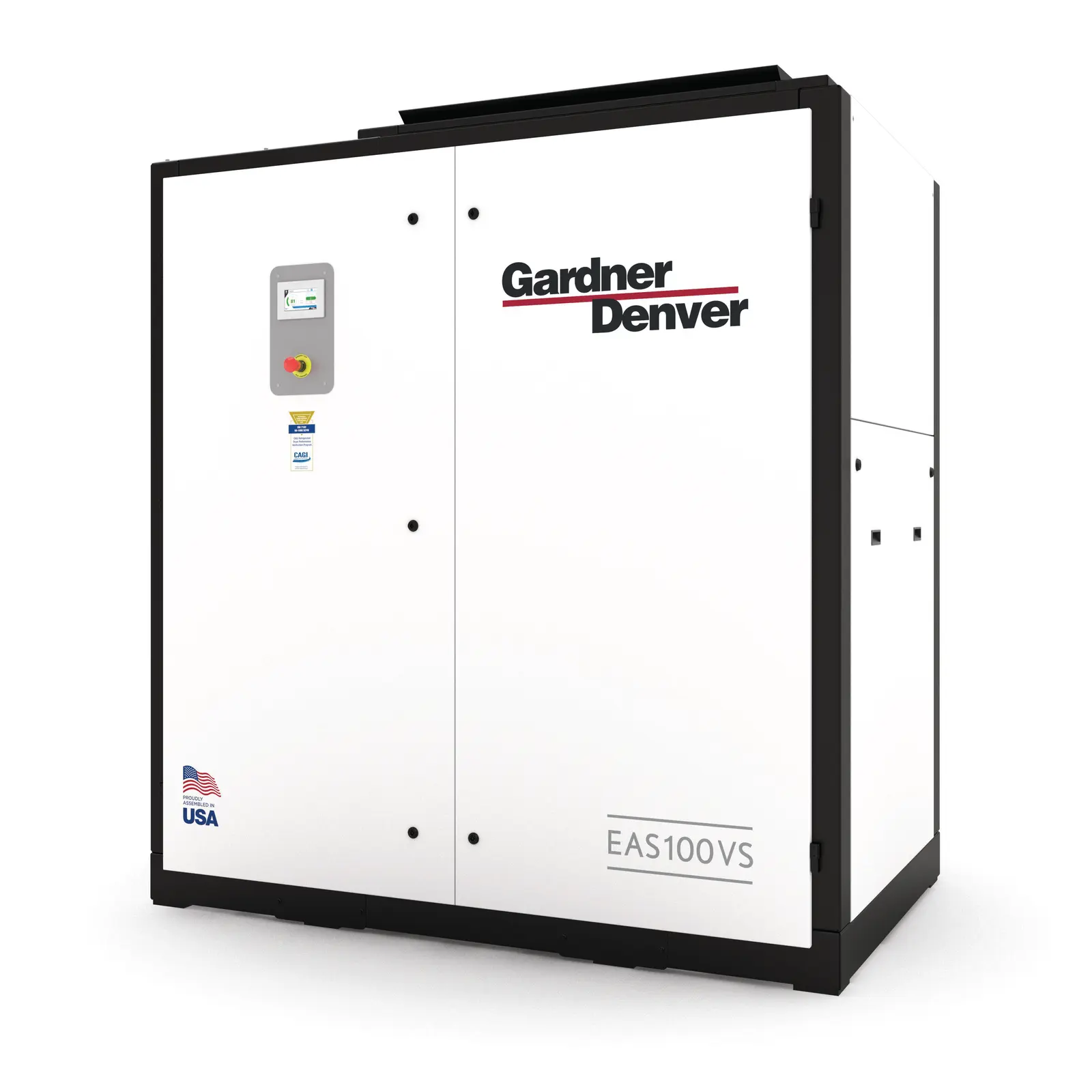
EAS Series 75-100 HP Variable Speed Rotary Screw Air Compressors
Variable-speed efficiency that automatically adapts to changing air demand.
Frequently Asked Questions about Variable Speed Air Compressors
A compressed air assessment can help you find out if a variable speed is worth it. Measuring air use across a typical production week shows how much demand changes between shifts, processes, and quieter periods. If your business is seasonal, the assessment should account for those changes, too.
Reach Out to Us