Compressor Commissioning Checklist

Proper commissioning helps verify that a CycloSaver installation is ready for operation before the compressor is placed into service. This guide explains the critical precommissioning checks, operating limits, monitoring requirements and commissioning sequence technicians should follow when putting a CycloSaver into service. 

CycloSaver Commissioning Checklist Cover

How to Properly Commission a CycloSaver

Installing a compressor is only part of preparing a  dry bulk tank truck for operation. Before a CycloSaver is placed into service, the installation needs to be checked, operating conditions need to be verified and the compressor needs to be run through a defined commissioning procedure.

Missing a step during this process can mean overlooking a leak, restriction, incorrect installation condition or operating limit before the truck enters service.

The checklist applies during:

  • Initial installation
  • First commissioning
  • Recommissioning after shutdown
  • Commissioning after service or relocation

All commissioning steps should be completed in the specified order. If a required condition cannot be verified or corrected, commissioning should not continue.

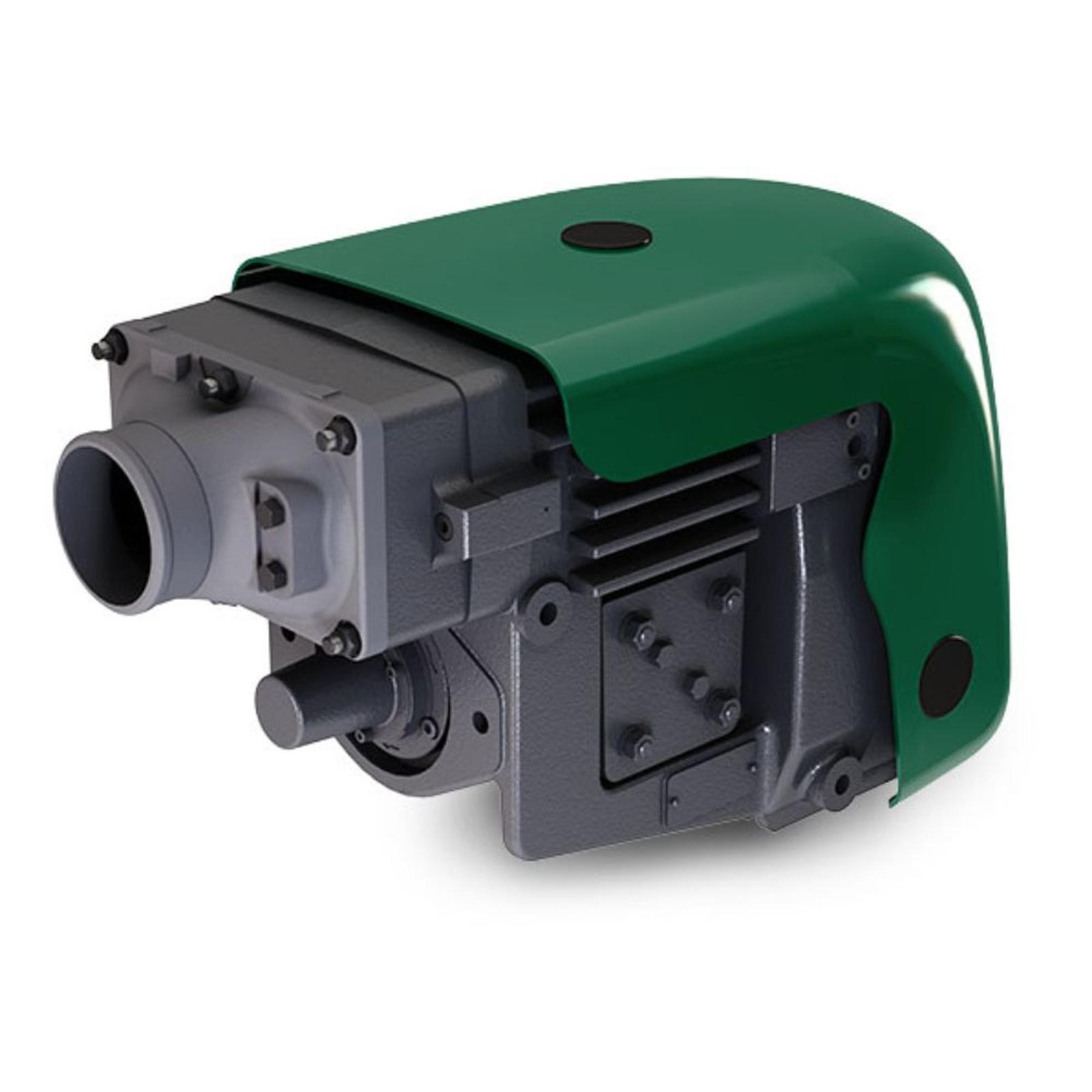
Product Photo Exterior right Cyclosaver V1

What Should Be Checked Before Commissioning a CycloSaver?

Before starting the compressor, technicians need to confirm that the supporting system is ready. 

The checklist covers items including gearbox oil, lubrication plugs, pipe cleanliness, the commissioning inlet filter, flanges, fasteners, mountings, PTO position, engine management setup, monitoring probes, valves, silencer and accessory installation. 

One particularly important component is the commissioning inlet filter. 

The filter should remain installed throughout installation of the CycloSaver and its pipework. During commissioning, it is removed after 15 minutes of operation at 1000 rpm, or 1810 rpm for a high-speed machine, and replaced with the supplied inlet gasket. 

The source specifically warns that failure to remove the commissioning filter during commissioning may result in compressor failure.

Know the CycloSaver Operating Limits Before Starting

Commissioning isn’t simply a matter of confirming that the compressor produces air. Technicians need to monitor pressure and temperature and know when operating conditions require the test to be stopped.


Commissioning parameter 

Limit 

Maximum inlet depression under all circumstances 

100 mbar / 1.5 PSIG 

Maximum inlet depression with commissioning filter removed 

70 mbar / 1 PSIG 

Maximum discharge pressure 

2.2 bar g / 31.9 PSIG 

Maximum outlet temperature 

230°C / 446°F 

Maximum inlet-to-outlet temperature rise 

200°C / 392°F 


If the outlet temperature exceeds 230°C (446°F) or the inlet-to-outlet temperature rise exceeds 200°C (392°F), whichever occurs first, the test should be stopped immediately and the appropriate Gardner Denver representative contacted.

Personnel should also be aware of hot pipework and vented valves during operation and use appropriate heat-resistant gloves and protective clothing where required.

How Is a CycloSaver Commissioning Test Performed?

The procedure begins with the discharge gate valve open and the compressor initially operated at the specified commissioning condition. 

During operation, technicians inspect the pipework for leaks and check for debris. After the initial 15-minute period, the commissioning filter is removed and the supplied inlet gasket installed. 

The compressor is then operated at 1600 rpm or the intended working operating speed

Inlet depression is recorded and the system checked for induction leaks. If inlet depression exceeds the permitted value, the inlet pipework and filter should be inspected for possible blockage and technicians should confirm that the commissioning filter has been removed. 

The discharge pressure is then raised to just below 2.2 bar g (31.9 PSIG)

If the system is operating satisfactorily, the compressor is run for 45 minutes, with measurements recorded at 10-minute intervals, including: 

  • Inlet pressure
  • Outlet pressure
  • Inlet temperature
  • Outlet temperature
  • Ambient temperature

The system is also rechecked for oil leaks. 

This monitoring period gives commissioning personnel an opportunity to verify how the complete installation behaves under operating conditions instead of simply confirming that the compressor starts. 

Verify the Relief Valve Before Returning the Truck to Service

The commissioning procedure also verifies relief-valve operation. 

Pressure is increased to operate the relief valve. According to the checklist, the relief valve should begin to open at a pressure not exceeding 2.2 bar g (31.9 PSIG) and reach full bypass at no more than the same pressure. 

Pressure is then slowly reduced, the valve is confirmed to reseat and its reseat pressure is recorded on the commissioning test sheet. 

Before completing the procedure, technicians verify that flanges are leak-free and that fasteners and mountings remain tight.

How to Start and Stop a CycloSaver After Commissioning

The checklist also provides the normal startup sequence operators should follow once commissioning has been completed. 

For startup, the PTO should initially be disengaged. Start the engine, set it to idle, depress the clutch and wait at least five seconds for the gears to stop rotating. Engage the PTO, slowly release the clutch and confirm that the CycloSaver is producing air before setting the required compressor operating speed. 

The specified operating ranges are 1000 to 1800 rpm for the standard machine and 1810 to 3258 rpm for the high-speed machine. 

For shutdown, return the engine to idle, disengage the PTO and stop the engine. 

When Should CycloSaver Commissioning Be Stopped?

Commissioning should be stopped immediately if: 

  • Temperature or pressure limits are exceeded
  • The relief valve does not operate as specified
  • Leakage, abnormal noise or vibration occurs
  • Any commissioning step cannot be completed

The unit should not be placed into service until the condition has been addressed by the appropriate Gardner Denver representative or authorized service provider.

Need support commissioning your compressor? Contact a Gardner Denver service expert

Country

Your request will be forwarded to the relevant individuals to assist with your request.
By clicking 'Send' you are authorizing Gardner Denver to contact you so that we may fulfill your request, as well as to communicate with you regarding our products and services.
Terms and Conditions
Privacy Policy

(* required fields)

This site is protected by reCAPTCHA.

Compressor Commissioning Checklist FAQs for CycloSaver

Commissioning verifies that the CycloSaver® compressor, pipework, PTO drive system, valves, and supporting components have been installed correctly and are operating within the specified limits before the unit is placed into service. Proper commissioning helps identify leaks, restrictions, installation issues, and abnormal operating conditions before they affect offloading performance. 

Reach Out to Us