
Industrial wastewater treatment requires reliable airflow across critical processes, from aeration and biological treatment to filter backwashing. Gardner Denver offers blower technologies and pre-engineered packages designed to support the varying demands of wastewater applications. Explore the treatment process, common applications, blower technologies and key considerations for selecting the right solution.

Understanding Industrial Wastewater Treatment

Industrial wastewater is water that has been affected by manufacturing, processing, cleaning, cooling, material handling, or other industrial operations. Its characteristics can vary by industry, facility, production process, raw material, and operating schedule.

Treatment may use physical, chemical, biological, or combined processes to manage contaminants before the water is discharged, transferred to a publicly owned treatment works, reused, or directed to another approved destination. The appropriate treatment approach depends on the wastewater characteristics, treatment objectives, discharge destination, and applicable requirements.

In the United States, industrial wastewater discharge requirements are established based on factors that include the type of facility or activity generating the discharge. EPA effluent guidelines include federal technology-based requirements for more than 50 categories of industrial and commercial activity.

Industrial blowers support specific processes that require air or gas movement. Depending on the treatment system, these may include biological aeration, equalization basin mixing, aerated grit removal, aerobic digestion, filter backwash, and digestion gas handling.

Industrial wastewater treatment requirements vary by facility, process and application. For a broader look at Gardner Denver blower solutions for both industrial and municipal treatment applications, explore our Water & Wastewater Treatment Solutions.

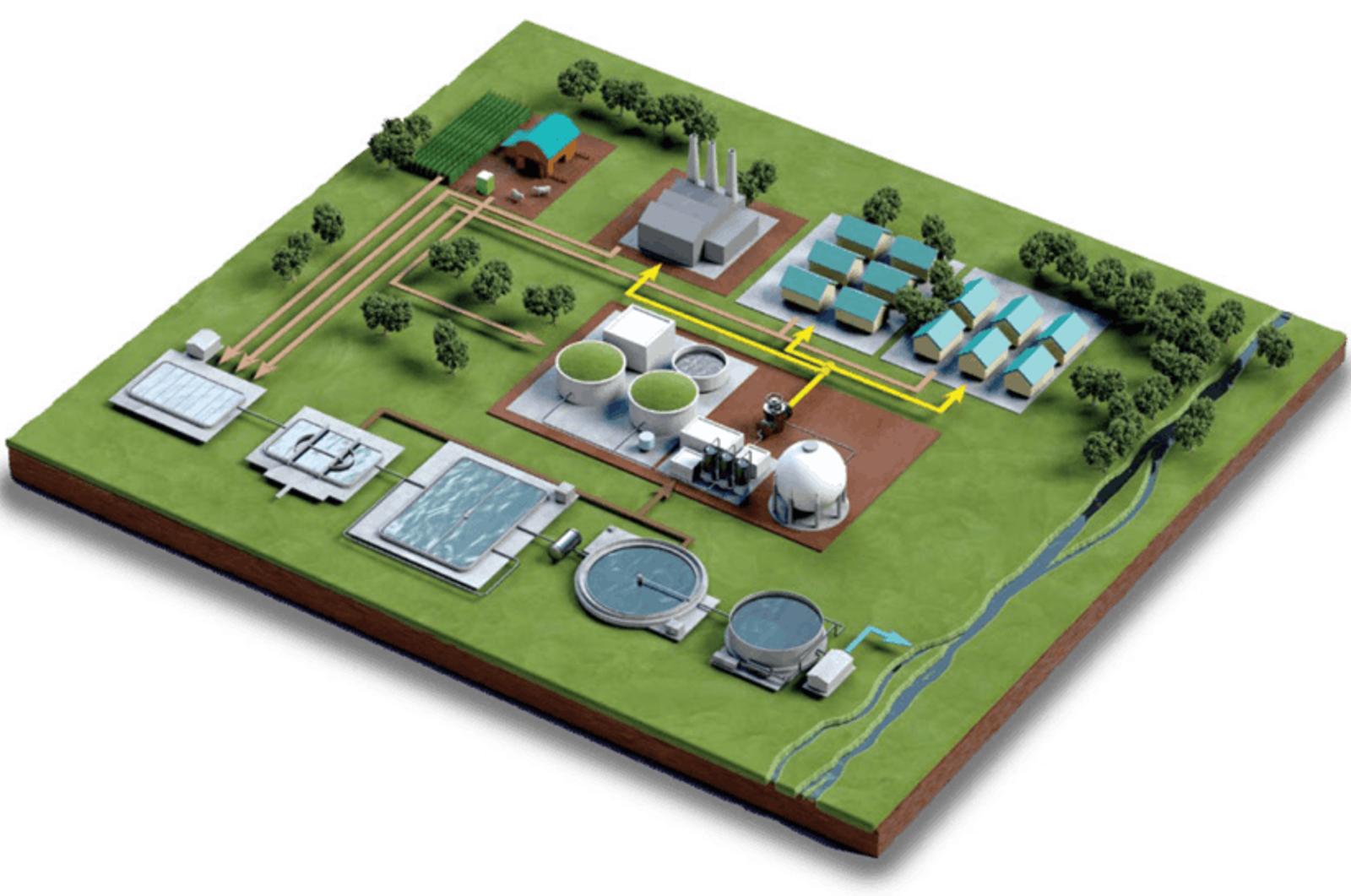
Industrial Wastewater Treatment Map

How Industrial Wastewater Is Treated

Industrial wastewater treatment usually combines several processes. Not every facility uses every stage, and the exact treatment sequence depends on the wastewater characteristics and the facility’s treatment objectives. 

Treatment stage 

General purpose 

Potential blower role 

Collection and conveyance 

Collect and move wastewater from industrial process areas 

Blowers are generally not the primary equipment at this stage 

Preliminary treatment 

Remove material that could interfere with downstream treatment 

Air may be used in some aerated grit-removal systems 

Equalization 

Reduce variations before downstream treatment 

Air may be used for mixing or aeration when required by the system design 

Physical or chemical treatment 

Separate or transform targeted constituents 

Blower involvement depends on the selected treatment process 

Biological treatment 

Use microorganisms as part of the treatment process 

Blowers may supply air to aerobic biological treatment systems 

Solids separation 

Separate treated water from settleable solids 

Blowers are generally not the primary equipment for settling 

Filtration 

Remove remaining material using filter media or membrane systems 

Air may be used during certain filter or media backwash processes 

Sludge treatment 

Stabilize or prepare solids for subsequent handling 

Blowers may supply air for aerobic digestion or move gas in certain digestion systems 

Discharge or reuse 

Direct treated water to an approved destination 

Blower involvement depends on the final treatment and handling system  


The Role of Aeration in Industrial Wastewater Treatment

Aeration introduces air into wastewater. In aerobic biological treatment, oxygen supports the microorganisms involved in treating biodegradable material. A diffused aeration system generally uses a blower to move air through piping and diffusers located in the treatment basin.

The blower is one component of the aeration system. Depending on the system design, other components may include motors, inlet filtration, controls, instrumentation, piping, valves, basins, and diffusers.

The required air supply depends on the process and system conditions. Engineers may consider treatment demand, operating range, basin depth, diffuser characteristics, pressure losses, site conditions, and expected changes in wastewater loading when evaluating an aeration blower. 

Role of Aeration in IWT

Industrial Wastewater Applications That May Use Blowers

Blowers are used in wastewater processes that require air or gas movement. Each application has different flow, pressure, control, and equipment requirements.

Biological Aeration

Biological Aeration

Supply oxygen to biological treatment processes, helping microorganisms break down contaminants in wastewater. 

Equalization Basin Mixing and Aeration

Equalization Basin Mixing and Aeration

Use air for mixing and aeration and to help limit solids settling in applicable equalization systems.

Aerated Grit Removal

Aerated Grit Removal

Use air to create controlled circulation that supports the separation of heavier material from wastewater.

Aerobic Digestion

Aerobic Digestion

Supply air to support microorganisms as biodegradable material in wastewater solids is broken down.

Filter and Media Backwash

Filter and Media Backwash

Use air to agitate or expand filter media and help release accumulated material during backwash.

Digestion Gas Handling

Digestion Gas Handling

Move gas produced during anaerobic digestion for handling within the treatment system. 

Important distinction: Anaerobic digestion occurs without oxygen. This application concerns moving digestion gas, not supplying air to the anaerobic process.  

Selecting an Industrial Wastewater Blower

Blower selection should begin with verified process and system information. The goal is to identify equipment that can provide the required air or gas flow at the necessary pressure across the expected operating range. 

1. Define the Application

Identify whether the blower will support biological aeration, equalization, grit removal, aerobic digestion, backwash, or gas handling. The operating requirements differ by application.

2. Establish the Required Flow

Determine the minimum, normal, and maximum air or gas flow required by the process. For aeration applications, the air requirement should be based on the needs of the treatment process.

3. Determine System Pressure

Evaluate the resistance the blower must overcome. Depending on the system, this may include water depth, diffuser resistance, piping, valves, fittings, filters, and package components.

4. Document Site Conditions

Review factors such as installation location, available space, ambient conditions, elevation, ventilation, electrical supply, piping arrangement, and maintenance access.

5. Review the Operating Profile

Determine expected operating hours, changes in demand, control requirements, number of operating units, and whether standby capacity is required.

6. Compare Applicable Technologies

Compare blower technologies at the required operating conditions. Evaluation considerations may include available flow and pressure, operating range, control approach, noise, package configuration, maintenance, and energy use.

7. Review the Complete Package

Evaluate the blower with the supporting equipment required for the installation. Depending on the selected package, this may include the motor, drive system, inlet filtration, silencers, controls, instrumentation, enclosure, and connection points.


Gardner Denver’s current wastewater guidance similarly recommends considering aeration requirements, flow and pressure, energy use, system compatibility, noise, maintenance, serviceability, reliability, and durability when selecting a blower.

Industrial Blower Technologies for Wastewater

Different industrial wastewater applications have different airflow, pressure, control, and operating requirements. As a result, the appropriate blower technology depends on the process and overall system design.

The appropriate blower technology depends on the application, required flow, discharge pressure, operating range, controls, site conditions, and package requirements. This page provides a high-level path into the relevant Gardner Denver product categories. 

Gardner Denver currently presents bare blowers and packaged blower systems for water and wastewater applications, including IQ packages, Sutorbilt blower families, and RBS blowers. Detailed pressure, vacuum, and flow information should remain on the relevant product pages.  

Supporting Aeration System Performance

Aeration system performance depends on more than the blower alone. The complete system may include the blower, motor, controls, instrumentation, piping, valves, diffusers, and treatment basin. 

A system review may consider: 

  • Whether air delivery reflects current process requirements
  • Blower operation across the expected demand range
  • Piping, valves, and other sources of pressure loss
  • Air-filter and diffuser condition
  • Instrumentation and control settings
  • Equipment sequencing when multiple blowers are installed
  • Maintenance requirements and service history

Deeper guidance should be developed as a supporting article rather than expanding this section into a full optimization guide. 

Aeration System Performance

Frequently Asked Questions About Industrial Wastewater Blowers

Industrial wastewater is water that has been affected by manufacturing, processing, cleaning, cooling, material handling, or other industrial activity. Its characteristics depend on the facility, industry, materials, and processes involved. 

Aerial view water treatment plant at dusk with cityscape for Municipal water supply

Evaluate Your Wastewater Blower Requirements

Find the blower technology and configuration that fit your application’s airflow, pressure and operating requirements.