
Refrigerated Air Dryers from Gardner Denver
Reliable, Energy-Efficient Compressed Air Drying for Industrial Applications
Moisture is one of the most common and damaging contaminants in compressed air systems. Left untreated, water vapor can lead to corrosion, equipment degradation, product contamination, and costly downtime. Refrigerated Air Dryers from Gardner Denver are engineered to remove moisture efficiently, delivering clean, dry compressed air that protects your equipment, improves productivity, and lowers lifecycle costs.
Designed for performance, reliability, and energy efficiency, Gardner Denver refrigerated dryers serve a wide range of industries—from manufacturing and automotive to food and beverage, pharmaceuticals, and general industrial operations. With multiple dryer technologies and system configurations available, Gardner Denver offers solutions optimized for virtually every compressed air application.
This product overview provides a comprehensive look at Refrigerated Air Dryers, including how they work, their benefits, sizing considerations, and an overview of the refrigerated dryer technologies offered by Gardner Denver to help you select the right solution for your operation.
What Are Refrigerated Air Dryers?
Refrigerated Air Dryers remove moisture from compressed air by cooling it to condense water vapor, which is then separated and drained from the system. After drying, the air is reheated slightly before leaving the dryer, reducing downstream condensation in piping and equipment.
Refrigerated dryers are the most commonly used compressed air dryers because they offer an optimal balance of performance, reliability, and operating cost. They typically deliver pressure dew points around 38°F (3°C), making them ideal for most indoor industrial applications where freezing temperatures are not a concern.
How Refrigerated Air Dryers Work
Hot, saturated compressed air enters the dryer
Air is cooled using a refrigeration circuit
Water vapor condenses into liquid moisture
Condensate is removed via a separator and drain
Dry, clean air exits the system for use downstream
This proven process makes refrigerated air dryers a dependable and cost-effective choice for moisture control in compressed air systems.
Why Choose Refrigerated Air Dryers for Compressed Air Systems?
Refrigerated Air Dryers are widely selected because they offer a strong combination of moisture removal, ease of operation, and lower energy consumption compared to alternative drying technologies.
Key Benefits of Refrigerated Air Dryers
Consistent moisture removal for reliable compressed air quality
Lower operating costs than desiccant dryers in most applications
Simple design and maintenance
Energy-efficient operation with cycling dryer options
Compact footprint for easy integration into existing systems
Protection against corrosion, rust, and microbial growth
For facilities that require clean, dry air without ultra-low dew points, refrigerated dryers provide the most economical solution.
Applications That Benefit from Refrigerated Air Dryers
Gardner Denver Refrigerated Air Dryers are used across a wide range of industries, including:
Manufacturing and general industrial production
Automotive assembly and paint applications
Packaging and material handling
Food and beverage processing (non-product contact air)
Plastics and injection molding
Textile manufacturing
Electronics and assembly operations
In these environments, consistent moisture control helps maintain air tool performance, prevent premature equipment failure, and reduce maintenance costs.
Gardner Denver Refrigerated Air Dryer Technologies
Gardner Denver offers a range of Refrigerated Air Dryer technologies engineered to meet varying operating conditions, airflow requirements, and energy efficiency goals. Each type is designed to integrate seamlessly with compressed air systems and deliver dependable performance over the long term.
Non-Cycling Refrigerated Air Dryers
Non-cycling refrigerated air dryers operate continuously, maintaining a stable internal temperature regardless of compressed air demand. This design ensures a consistent pressure dew point under steady operating conditions.
Key Advantages:
Simple, rugged design
Reliable dew point control
Ideal for applications with constant airflow
Lower upfront cost compared to cycling dryers
Non-cycling refrigerated dryers are commonly used in facilities with stable demand profiles where simplicity and reliability are the top priorities.
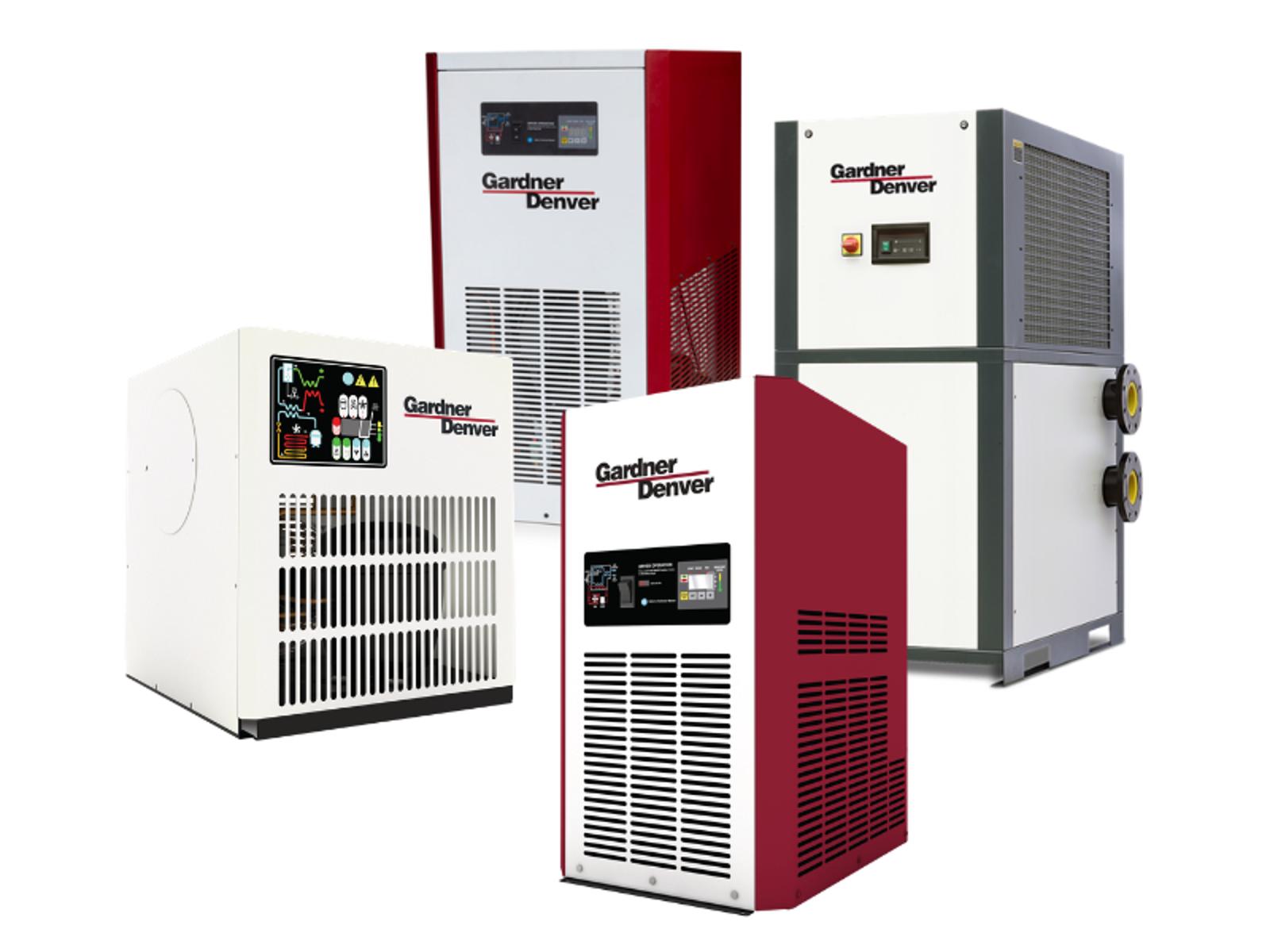
Cycling Refrigerated Air Dryers (Energy-Saving Dryers)
Cycling Refrigerated Air Dryers are designed to reduce energy consumption by matching cooling output to actual compressed air demand. Instead of running continuously, these dryers cycle the refrigeration system on and off or use thermal storage to maintain dew point performance.
Key Advantages:
Reduced energy consumption during low demand
Lower operating costs over time
Longer compressor and component life
Environmentally responsible solution
Cycling refrigerated dryers are an excellent choice for facilities with variable airflow requirements or sustainability goals focused on energy efficiency.
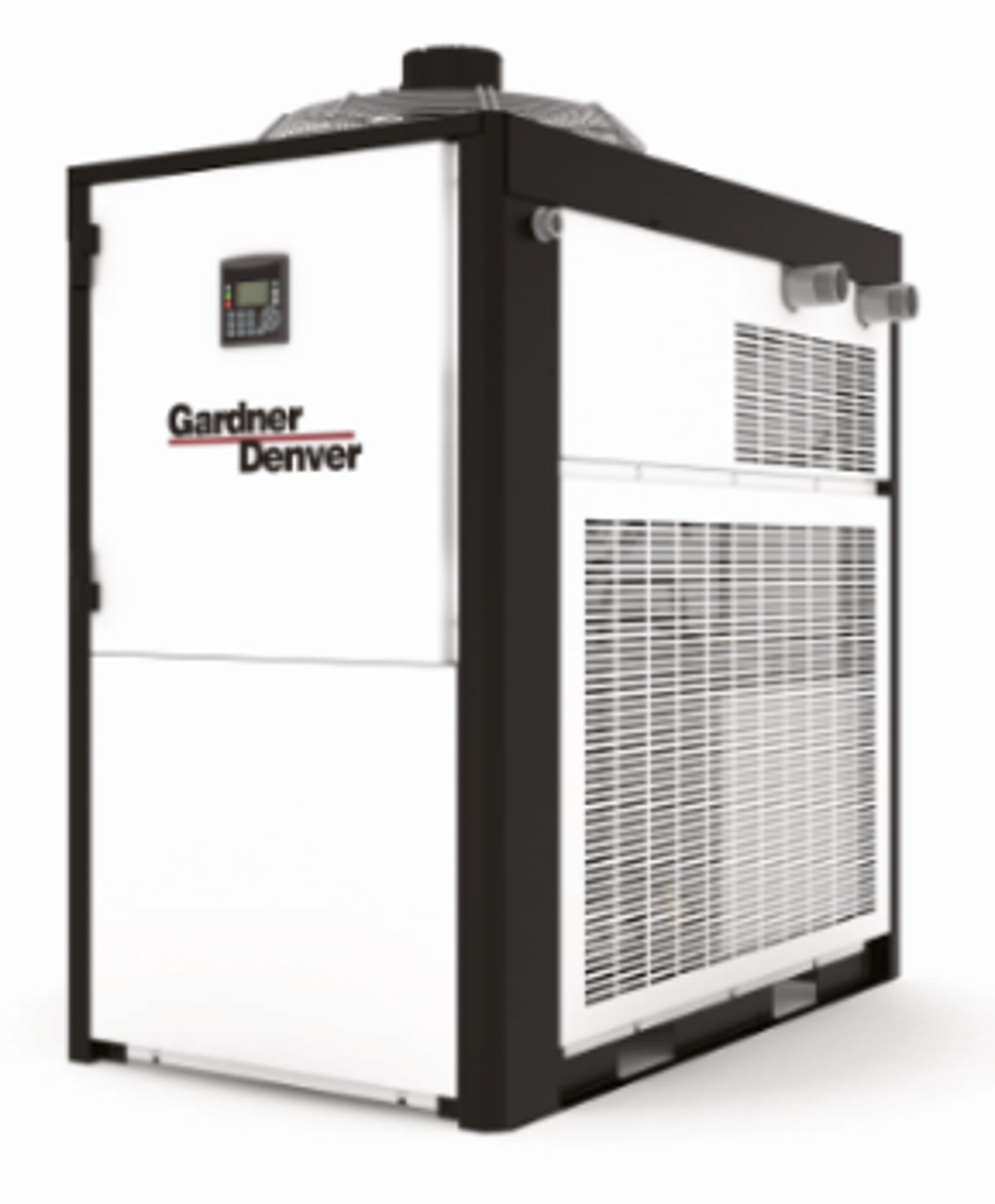
High Inlet Temperature Refrigerated Air Dryers
Standard refrigerated dryers are designed for specific inlet temperatures. High inlet temperature refrigerated air dryers are engineered to handle hotter compressed air directly from the compressor discharge.
Key Advantages:
Handles elevated inlet temperatures without upstream cooling
Eliminates the need for separate aftercoolers
Reduced installation footprint and system complexity
Ideal for harsh industrial environments
These dryers are especially beneficial when space is limited or when compressors operate at higher discharge temperatures.
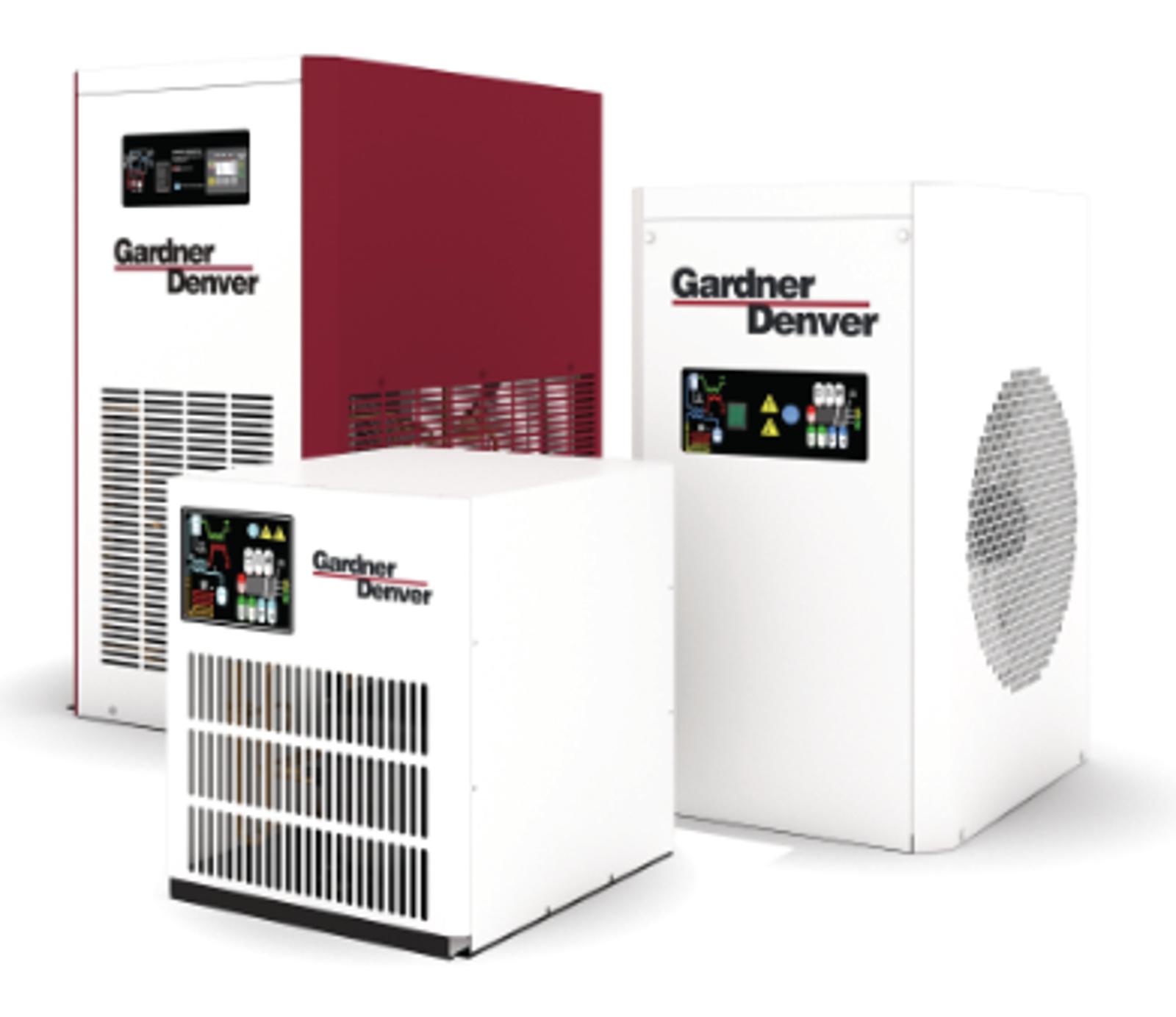
Energy Savings Refrigerated Air Dryers
Gardner Denver’s energy savings series of refrigerated air dryers is designed to dramatically reduce energy consumption while maintaining ultra-low dew point performance.
Key Advantages:
Efficiency through demand-dependent operations
Reduced compressed air loss, minimizing wasted production capacity
Lower operating costs compared to traditional heatless dryers
Extended desiccant and valve life through optimized cycle timing
This model is ideal for facilities where compressed air demand fluctuates and efficiency is a top operational priority.
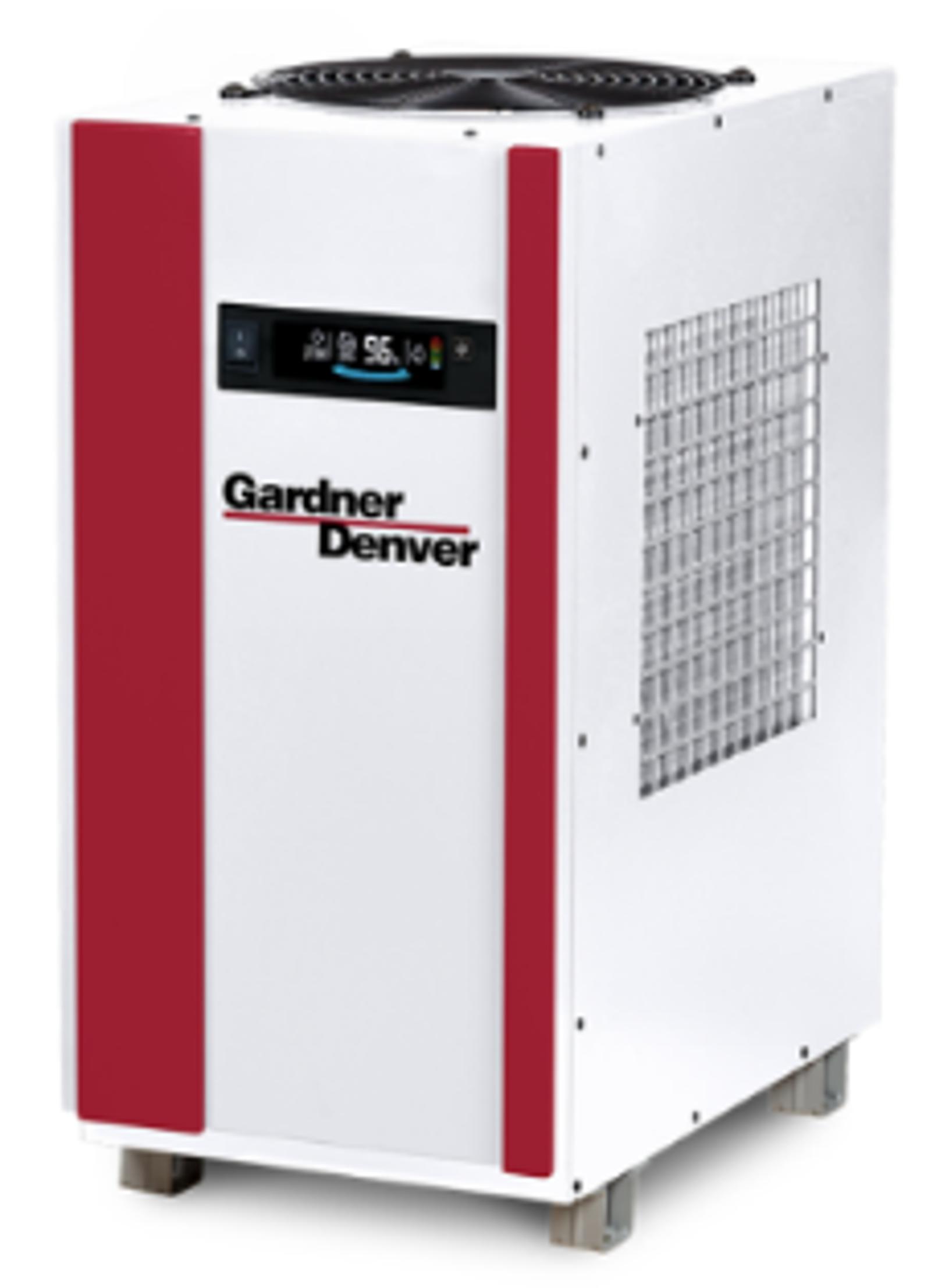
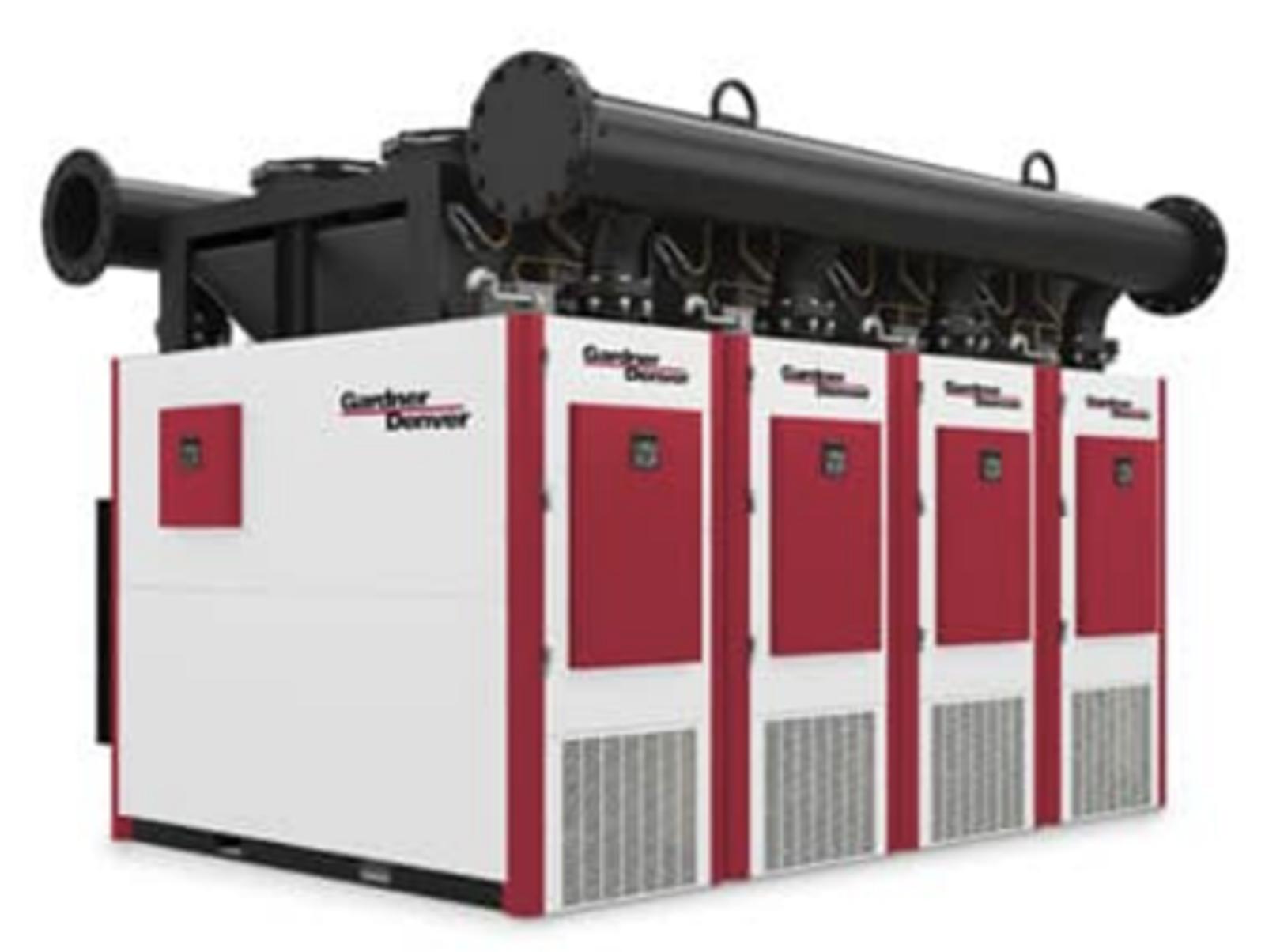
Large Capacity Refrigerated Air Dryers
Our large capacity model is designed to handle large airflow volumes and deliver dependable pressure dew point performance while optimizing energy usage across demanding operating conditions. These systems are designed to integrate seamlessly into central compressed air installations, delivering reliable moisture removal at scale.
Key Advantages:
Low pressure drop design to improve overall compressed air system efficiency
Advanced controls and monitoring for improved system visibility and reliable operation
Lower total cost of ownership through durable components and long service life
These refrigerated air dryers are engineered for high-capacity industrial compressed air systems where reliability, efficiency, and consistent moisture removal are critical.
Features and Technology That Set Gardner Denver Refrigerated Air Dryers Apart
Gardner Denver Refrigerated Air Dryers are engineered using advanced technology and premium components to deliver consistent air quality under demanding conditions.
High-Efficiency Heat Exchangers
Advanced heat exchanger designs maximize moisture removal while minimizing pressure drop, ensuring efficient dryer performance without increasing compressor energy consumption.
Reliable Refrigeration Circuits
Robust refrigeration systems are designed for long service life and reliable dew point control, even under fluctuating operating conditions.
Intelligent Controls and Monitoring
Modern controls allow operators to:
Monitor dew point and system performance
Optimize energy usage
Receive alerts for maintenance and service needs
Ensure compliance with air quality standards
Durable Construction
Industrial-grade materials and proven manufacturing standards make Gardner Denver refrigerated dryers well-suited for harsh environments and continuous operation.
Energy Efficiency and Sustainability
Energy efficiency is a critical consideration in modern compressed air systems. Refrigerated Air Dryers from Gardner Denver are designed to minimize energy consumption while delivering consistent moisture control.
Key energy-saving features include:
Cycling technology that reduces refrigeration runtime
Optimized heat exchanger efficiency
Low pressure drop designs
Smart control algorithms
By selecting the right refrigerated dryer for your application, facilities can significantly reduce operating costs and support sustainability initiatives without compromising air quality.
How to Size Refrigerated Air Dryers Correctly
Proper sizing is essential to ensure reliable dew point performance and long-term efficiency. When selecting a Refrigerated Air Dryer, consider:
Compressor flow rate (CFM or m³/h)
Inlet temperature and pressure
Ambient temperature
Acceptable pressure dew point
Future expansion needs
Oversized dryers may increase capital costs, while undersized dryers can compromise air quality and system reliability. Gardner Denver experts can help evaluate your compressed air system and recommend the optimal refrigerated dryer solution.
Refrigerated Air Dryers vs. Desiccant Dryers
Understanding the difference between refrigerated and desiccant dryers helps ensure the right technology is selected.
Pressure dew point ~38°F (3°C)
Lower energy consumption
Lower operating cost
Ideal for most indoor applications
Ultra-low dew points (-40°F or lower)
Higher energy usage
Higher maintenance requirements
Used for critical or outdoor applications
Maintenance and Lifecycle Cost Advantages
Gardner Denver Refrigerated Air Dryers are designed for low maintenance and long service life. Routine maintenance typically includes:
Drain inspection and cleaning
Filter replacement
Periodic heat exchanger cleaning
With fewer wear components than alternative drying technologies, refrigerated dryers offer predictable operating costs and high system availability.
Why Choose Gardner Denver for Refrigerated Air Dryers?
Gardner Denver is a trusted global leader in compressed air technology, known for innovation, reliability, and customer support.
When you choose Gardner Denver Refrigerated Air Dryers, you gain:
Proven industrial expertise
Broad product range for diverse applications
Energy-efficient, high-quality designs
Expert system evaluation and support
Global service and parts availability
From small workshops to large-scale industrial operations, Gardner Denver delivers moisture control solutions that protect your compressed air investment.
Refrigerated Air Dryers Built for Performance and Peace of Mind
Reliable compressed air starts with effective moisture control. Refrigerated Air Dryers from Gardner Denver provide dependable drying performance, energy efficiency, and system protection across a wide range of industrial applications.
Whether your priority is reducing operating costs, improving air quality, or minimizing maintenance, Gardner Denver offers refrigerated dryer technologies designed to meet your needs today—and scale for tomorrow.
Explore Gardner Denver’s complete portfolio of Refrigerated Air Dryers and discover how the right solution can improve productivity, protect equipment, and enhance overall compressed air system performance.
Reach Out to Us