Choose What's Right for You

Choosing the right air compressor for your application is critical for efficiency, reliability, and cost savings. Two of the most common compressor types are reciprocating and rotary screw. While both deliver compressed air, they operate differently and excel in different environments. Understanding how they differ helps you invest with confidence, control costs, and keep production moving. 

At Gardner Denver, we've spent decades helping operators make this exact decision. Here's how to know which compressor is right for you.

How Reciprocating Compressors Work

A reciprocating compressor, also known as a piston compressor, uses one or more pistons driven by a crankshaft to compress air inside a cylinder. 


Step-by-step process

  1. Air enters the cylinder through an intake valve. 
  2. A piston moves downward to draw in the air. 
  3. The piston then moves upward, reducing the air’s volume. 
  4. As pressure rises, the compressed air is forced out through a discharge valve.
  5. This compression happens in repeated cycles, creating air delivery in pulses rather than a perfectly continuous flow. 

Because of this design, reciprocating compressors are typically best for intermittent duty cycles, situations where compressed air demand comes in bursts instead of nonstop use.

How Rotary Screw Compressors Work

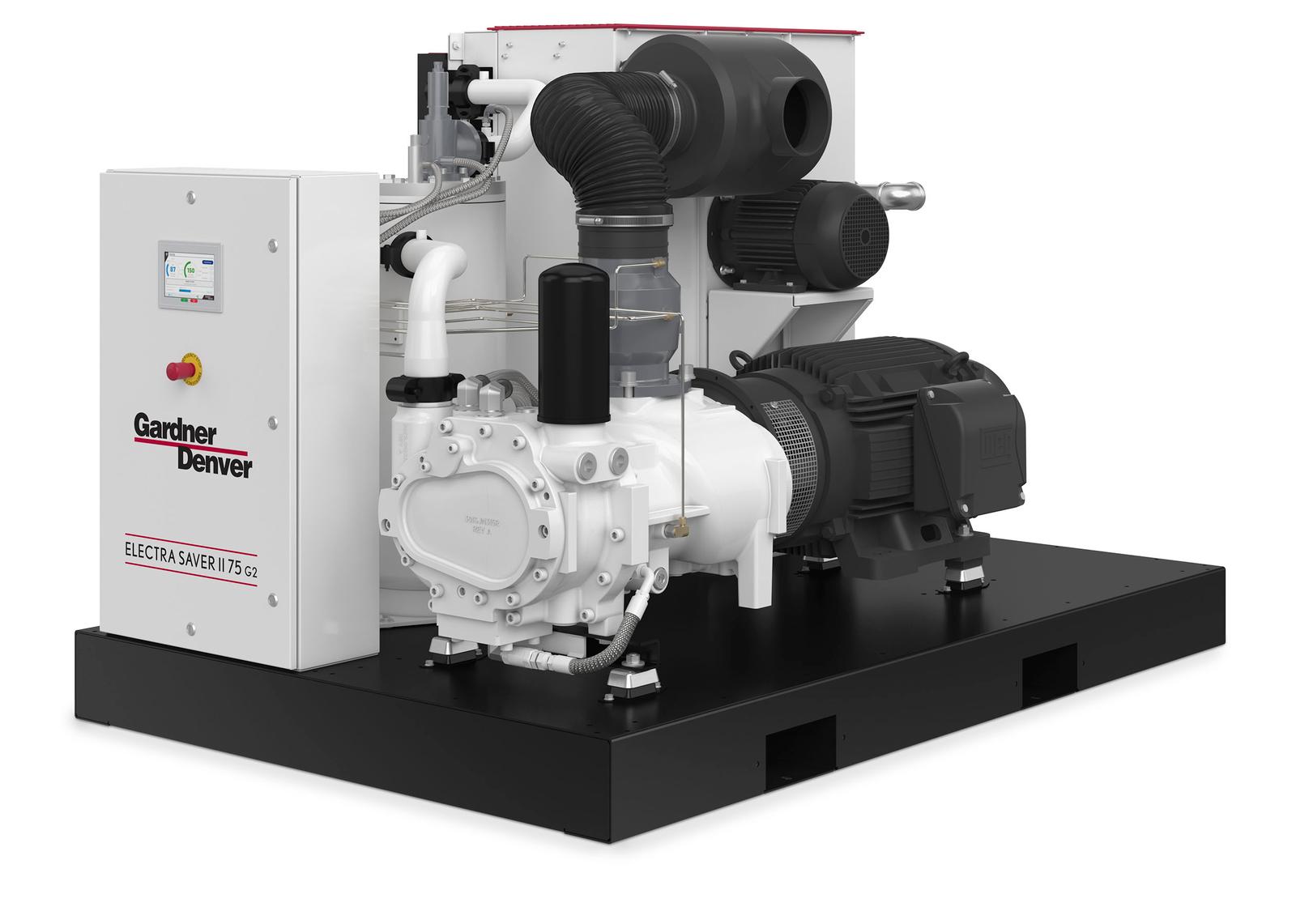
A rotary screw compressor uses two interlocking helical rotors to compress air continuously. Instead of pistons moving up and down, these screws rotate and trap air between the rotors, reducing space and increasing pressure as the air moves through the compression chamber.


Step-by-step process

  1. Ambient air enters the compressor housing.
  2. Two helical rotors turn in opposite directions.
  3. Air is trapped between the rotors and the housing.
  4. As the air moves along the screws, the available space becomes smaller.
  5. This reduces the air’s volume and raises its pressure.
  6. The compressor then discharges a steady stream of compressed air.
This design delivers a smooth, continuous flow, making rotary screw compressors ideal for operations that rely on compressed air throughout the day.

Practical Implications for Buyers and Operators

  • How often do you need compressed air?

    If demand comes and goes, a reciprocating compressor may be sufficient. If demand is constant, rotary screw technology is usually the better fit.

  • What pressure do you need?

    Both technologies can handle higher pressures, Gardner Denver rotary screws deliver up to 200 PSI. If you need constant flow at higher pressures, a rotary screw is often the better fit. Reciprocating compressors can still be a strong choice for intermittent, high-pressure tasks.

  • How important is uptime?

    In environments where downtime directly impacts production, a rotary screw compressor can provide a more dependable continuous air supply.

  • What is your budget strategy?

    Reciprocating compressors typically offer both lower upfront costs and lower lifecycle costs due to simpler maintenance. Rotary screw compressors carry a higher upfront investment and a higher lifecycle cost, but deliver value through continuous operation, efficiency, and uptime in the right application.

  • How important is a quiet work environment?

    Rotary screw compressors run significantly quieter than reciprocating units, making them a better fit for indoor installations or noise-sensitive facilities.

When to Choose a Reciprocating Compressor

Reciprocating compressors are the dependable workhorses of the compressed air world. When your air demand isn't constant or when you need higher pressure for specialized tasks, a piston compressor is often the most practical, cost-effective choice. They're built rugged, easy to service, and forgiving in environments where downtime between cycles allows the unit to cool. For shops and operations that don't run air continuously, a reciprocating compressor often delivers the best balance of performance and value.

Best fits include:

  • Low Duty Cycle Applications: Perfect for jobs where air demand is occasional, such as small workshops or maintenance tasks. 
  • Lower Total Cost: Lower upfront investment and lower lifecycle costs driven by simpler maintenance.
  • Low-Noise Environments: Runs significantly quieter than reciprocating compressors, ideal for indoor or noise-sensitive facilities.

Examples: auto repair shops, small manufacturing, and backup air systems

If your operation runs in bursts rather than around the clock, a reciprocating compressor gives you reliable performance without paying for capacity you won't use.

When to Choose a Rotary Screw Compressor

When uptime is everything, rotary screw compressors are built to deliver. Engineered for continuous operation, they provide a steady, pulse-free flow of compressed air that keeps high-demand production lines running without interruption. Because they're designed to run for hours or days at a time, rotary screw units typically require less frequent maintenance, run quieter, and deliver stronger energy efficiency than reciprocating compressors, even in fixed-speed models, with additional savings available when paired with variable speed drive (VSD) technology. For facilities where every minute of downtime translates directly to lost revenue, a rotary screw is the dependable backbone your operation can count on.

Best fits include:

  • Continuous Operation: Ideal for facilities that need air 24/7, such as large manufacturing plants.
  • High Air Volume: Handles large CFM requirements efficiently.
  • Energy Efficiency: More energy efficient than reciprocating compressors in both fixed-speed and VSD configurations.

Examples: Food and beverage processing, pharmaceutical production, and heavy industrial operations.

If your compressed air system is a core part of daily production, a rotary screw compressor protects your uptime and your bottom line.


Why Choosing the Right Compressor Matters

Selecting the right compressor affects more than just airflow. It can influence:

  • Energy use
  • System reliability 
  • Maintenance planning 
  • Production uptime 
  • Long-term operating cost

A system that is oversized, undersized, or poorly matched to the application can increase wear, waste energy, and create avoidable downtime. Matching compressor design to actual demand is one of the most important decisions in a compressed air system.

Whether you need a compressor for intermittent use or for a continuous supply of air, a unit focused on energy efficiency or that offers low noise level, our white paper can help you decide which air compressor type is best for your application.

Key Differences at a Glance

IRP-Application-GD-Recip-vs-Rotary-Chart

Gardner Denver Solutions

At Gardner Denver, we do more than build compressors; we stand behind every one of them. Our full line of reciprocating and rotary screw air compressors is engineered for dependable performance in the toughest environments, from rugged piston units built for intermittent shop use to high-efficiency rotary screws designed for nonstop industrial production.

What truly sets Gardner Denver apart is what comes after the sale. Our network of trusted local service experts is here to help you size, install, maintain, and optimize your system for the long haul, so you're never left guessing, and your operation is never left exposed. From genuine OEM parts to preventive maintenance plans and on-site support, we keep your air system and your business running.

Need help choosing the right compressor?

Frequently Asked Questions

A reciprocating compressor uses pistons to compress air in cycles, while a rotary screw compressor uses interlocking helical rotors to compress air continuously.

Reach Out to Us