
Oil-Free Compressed Air Total Cost of Ownership Optimization Guide
Oil-free compressed air total cost of ownership (TCO) is driven far more by long-term operating expenses than by the initial equipment purchase. This resource summarizes key insights from our expert webinar on how manufacturers can maximize efficiency, reduce energy spend, and lower lifecycle costs across the entire oil-free compressed air system, from the compressor to air treatment and maintenance.
Rather than focusing solely on upfront price, TCO optimization evaluates energy consumption, maintenance requirements, air losses, and system design over the life of the equipment. Understanding these factors enables more informed decisions that deliver measurable cost savings over 10+ years of operation.
What is Total Cost of Ownership for Compressed Air?
Total cost of ownership includes both one-time and recurring costs across the life of a compressed air system.
One-time Costs
Compressor and equipment purchase
Installation and commissioning
Electrical and mechanical setup
Recurring Costs
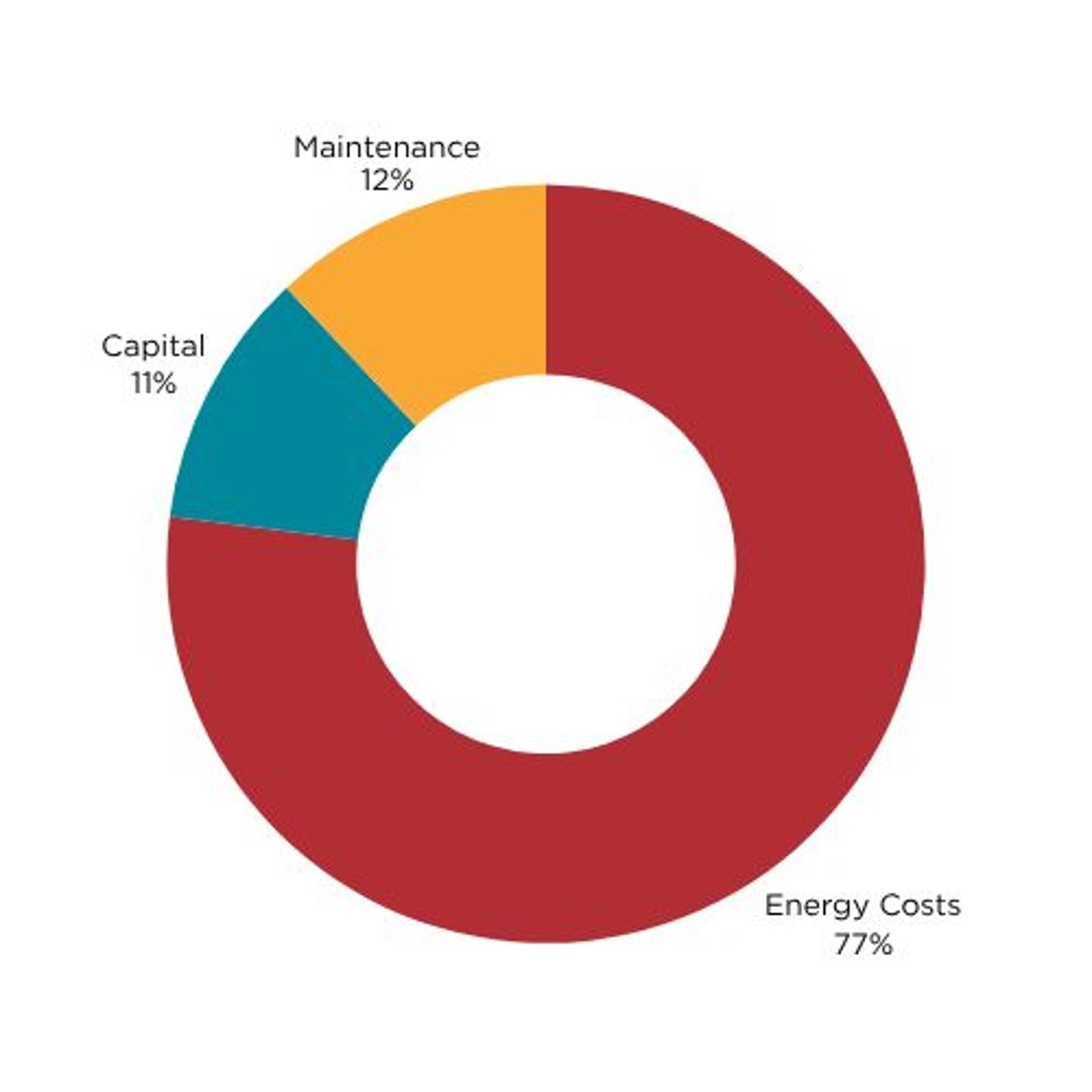
Energy consumption (largest contributor)
Maintenance and repairs
Air losses from leaks, drains, and pressure drop
In most industrial environments, energy accounts for roughly 75% of total compressed air TCO, making efficiency improvements the fastest path to cost reduction.
The Cost of Compressed Air
Compressed air is one of the most energy intensive utilities in industrial facilities. According to industry data cited in the webinar:
Compressed air can account for approximately 20% of total facility electricity use
Leak rates of up to 30% are common in manufacturing environments
A single ¼-inch air leak can cost thousands of dollars per year in wasted energy
When these losses compound over time, they significantly increase the total cost of ownership of oil-free compressed air systems, making efficiency and system design critical to long-term cost control.
Key Areas to Optimize Oil-Free Compressed Air
1. Compressor Efficiency and System Design
Selecting the right oil-free compressor for actual demand is foundational to lowering TCO.
Key considerations include:
Matching compressor capacity to real demand profiles
Using variable speed compressors to handle fluctuating loads efficiently
Reducing unloaded run time and short cycling
Improving part load performance during off shifts and weekends
Efficient compressor design and proper sizing reduce unnecessary energy consumption and extend equipment life.
2. Air Treatment Efficiency: Dryers, Filters, and Drains
Air treatment equipment plays a major role in both energy use and system reliability.
Dryer Selection
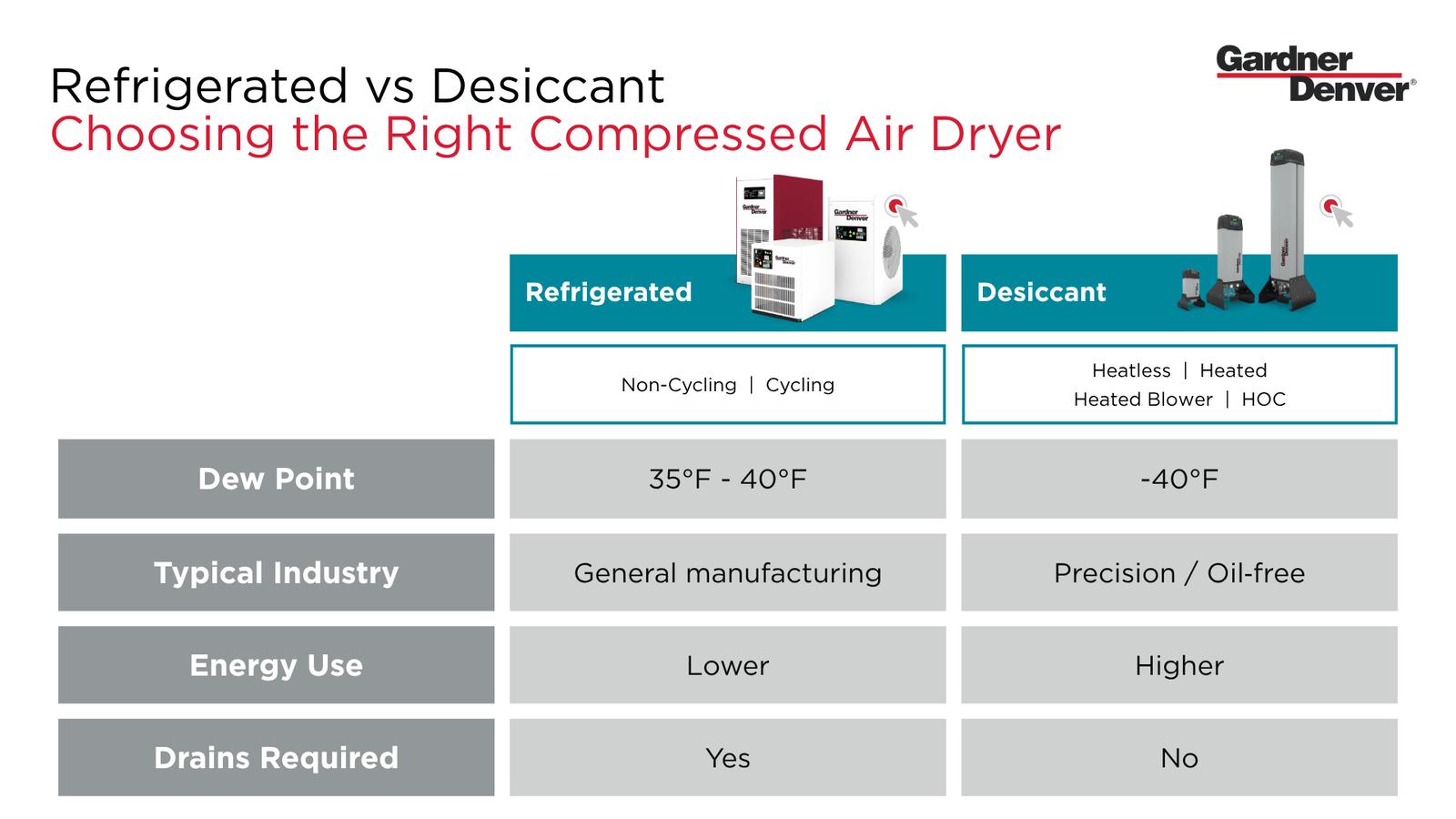
Choosing the correct dryer type depends on air quality requirements and operating patterns:
Refrigerated dryers (≈35–40°F pressure dew point)
Common in general manufacturing
Cycling designs can significantly reduce energy use under variable flow conditions
Desiccant dryers (≈-40°F pressure dew point)
Required for precision manufacturing and product contact
Energy use varies widely by regeneration method:
Heatless
Heated
Heated blower (lowest compressed air loss)
Selecting a dryer aligned with actual demand can result in substantial electrical savings over time.
Filtration and Pressure Drop
Filters protect downstream equipment but introduce pressure drop:
Poorly maintained filters increase compressor energy demand
Every incremental pressure loss increases operating cost
Proper filter sizing and replacement schedules are essential for TCO control
Drain Selection
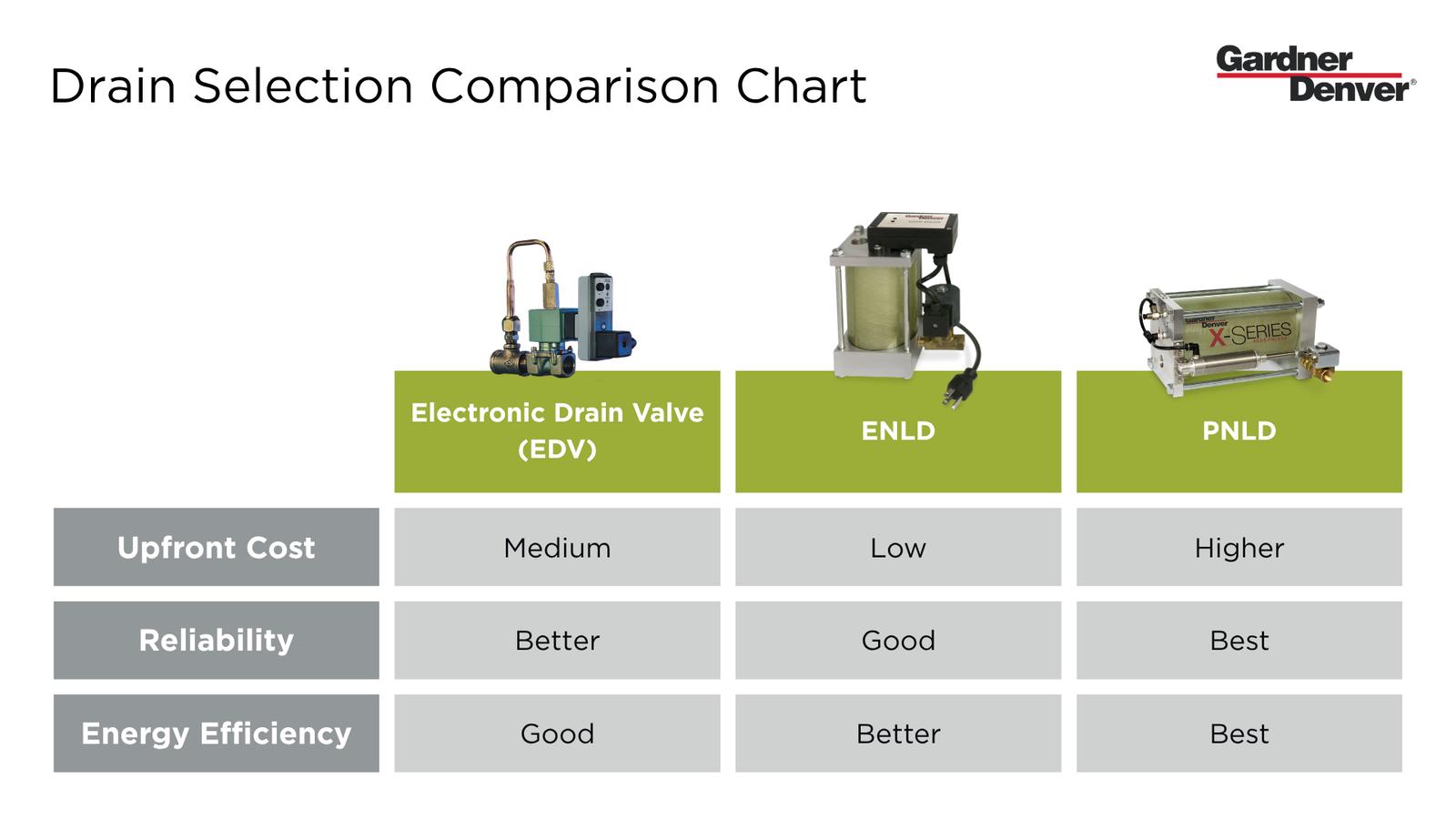
Drain technology affects both energy loss and reliability:
Timer based drains can waste compressed air if improperly set
No-loss drain designs eliminate unnecessary air loss
Pneumatic no-loss drains offer strong reliability without electrical consumption
3. Maintenance Strategy and Service Planning
Maintenance is a smaller percentage of TCO than energy, but still critical to reliability and predictable costs.
An effective maintenance strategy:
Prevents unplanned downtime
Preserves compressor efficiency over time
Reduces emergency repair expenses
Enables predictable annual operating budgets
Long-term service plans can shift maintenance risks away from the facility while supporting consistent system performance.
Optimized vs Standard Oil-Free Compressed Air Systems
Standard System Characteristics
Fixed-speed compressor
Non-cycling dryer
Undersized or poorly maintained filters
Timer-based drains
Straight-run piping
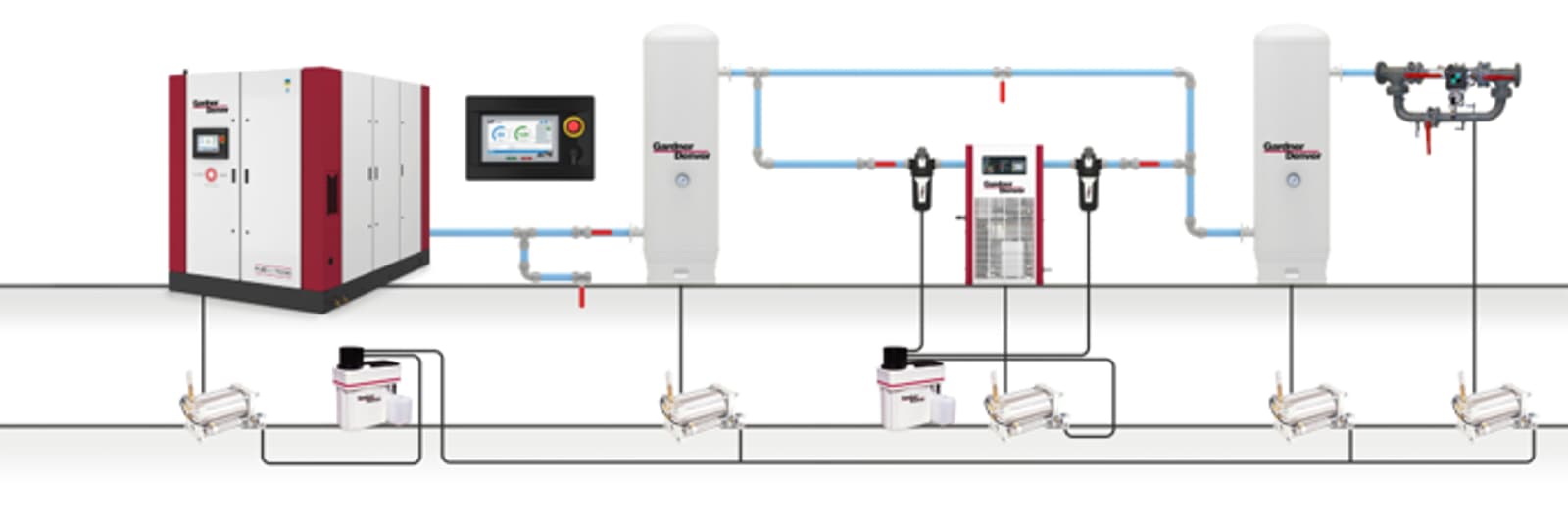
Optimized System Characteristics
Variable speed oil-free compressor
Cycling dryer matched to demand
Properly sized and maintained filtration
No-loss drains
Looped piping design for pressure balance
While optimized systems typically require higher upfront investment, they can deliver significantly lower annual energy costs, resulting in hundreds of thousands of dollars in lifecycle savings over long-term operation.

Key Benefits of Oil-Free Compressed Air TCO Optimization
Lower energy consumption and utility costs
Improved system reliability and uptime
Reduced air losses and pressure drop
Predictable maintenance expenses
Stronger long-term return on investment
Better alignment between equipment performance and actual demand
Frequently Asked Questions (FAQs)
Energy consumption is typically the largest contributor, often representing the majority of lifetime system costs.
Reach Out to Us