
Desiccant Air Dryers from Gardner Denver
Ultra Dry Compressed Air Solutions for Critical Industrial Applications
Moisture is a serious threat to compressed air systems, especially in applications where even trace amounts of water vapor can cause corrosion, product contamination, freezing, or process failure. Desiccant Air Dryers from Gardner Denver are engineered to deliver ultra low dew points, protecting equipment and processes in the most demanding industrial environments.
Designed for reliability, performance, and long term efficiency, Gardner Denver desiccant dryers remove moisture from compressed air to achieve pressure dew points as low as 40°F to 100°F ( 40°C to 70°C). These systems are essential for industries that require consistent air quality regardless of ambient conditions or operating loads.
This product overview provides a comprehensive look at Desiccant Air Dryers, including how they work, where they are used, their advantages over other dryer technologies, and an overview of the desiccant dryer types offered by Gardner Denver.
What Are Desiccant Air Dryers?
Desiccant Air Dryers remove moisture from compressed air using adsorption rather than cooling. As compressed air flows through a vessel filled with desiccant material, such as activated alumina or molecular sieve, the desiccant attracts and holds water vapor on its surface.
Once the desiccant becomes saturated, it must be regenerated (dried out) so it can continue removing moisture. This regeneration process is what differentiates the various types of desiccant air dryers.
How Desiccant Air Dryers Work
- Moist compressed air enters a desiccant-filled tower
- Water vapor is adsorbed onto the desiccant material
- Dry air exits the dryer at an ultra low pressure dew point
- The saturated desiccant is regenerated
- The system cycles continuously to maintain moisture control
Because desiccant dryers remove water vapor rather than condensing it, they perform reliably in environments where refrigerated air dryers cannot, such as outdoor installations or freezing temperatures.
Why Choose Desiccant Air Dryers for Compressed Air Systems?
While refrigerated air dryers are suitable for many general applications, certain operating conditions require a much lower moisture threshold. Desiccant Air Dryers are specified when compressed air quality is critical and environmental conditions are unpredictable.
Key Benefits of Desiccant Air Dryers
- Achieve ultra low pressure dew points ( 40°F to 100°F)
- Prevent freezing in outdoor piping and equipment
- Protect sensitive instruments and controls
- Improve product quality and process reliability
- Operate effectively across wide temperature ranges
- Ideal for critical and regulated industries
For industries where moisture is unacceptable, desiccant dryers deliver consistent performance regardless of ambient conditions.
Industries and Applications for Desiccant Air Dryers
Gardner Denver Desiccant Air Dryers are used across a broad range of industries that demand the highest compressed air quality.
Common applications include:
- Pharmaceutical manufacturing
- Food and beverage processing (critical air points)
- Chemical processing
- Electronics and semiconductor manufacturing
- Oil and gas operations
- Power generation
- Outdoor compressed air systems
- Paint, coating, and finishing operations
In these environments, even minimal moisture can compromise safety, product integrity, and system reliability.
Types of Desiccant Air Dryers Offered by Gardner Denver
Gardner Denver provides a full portfolio of Desiccant Air Dryer technologies designed to match specific performance requirements, energy goals, and system layouts.
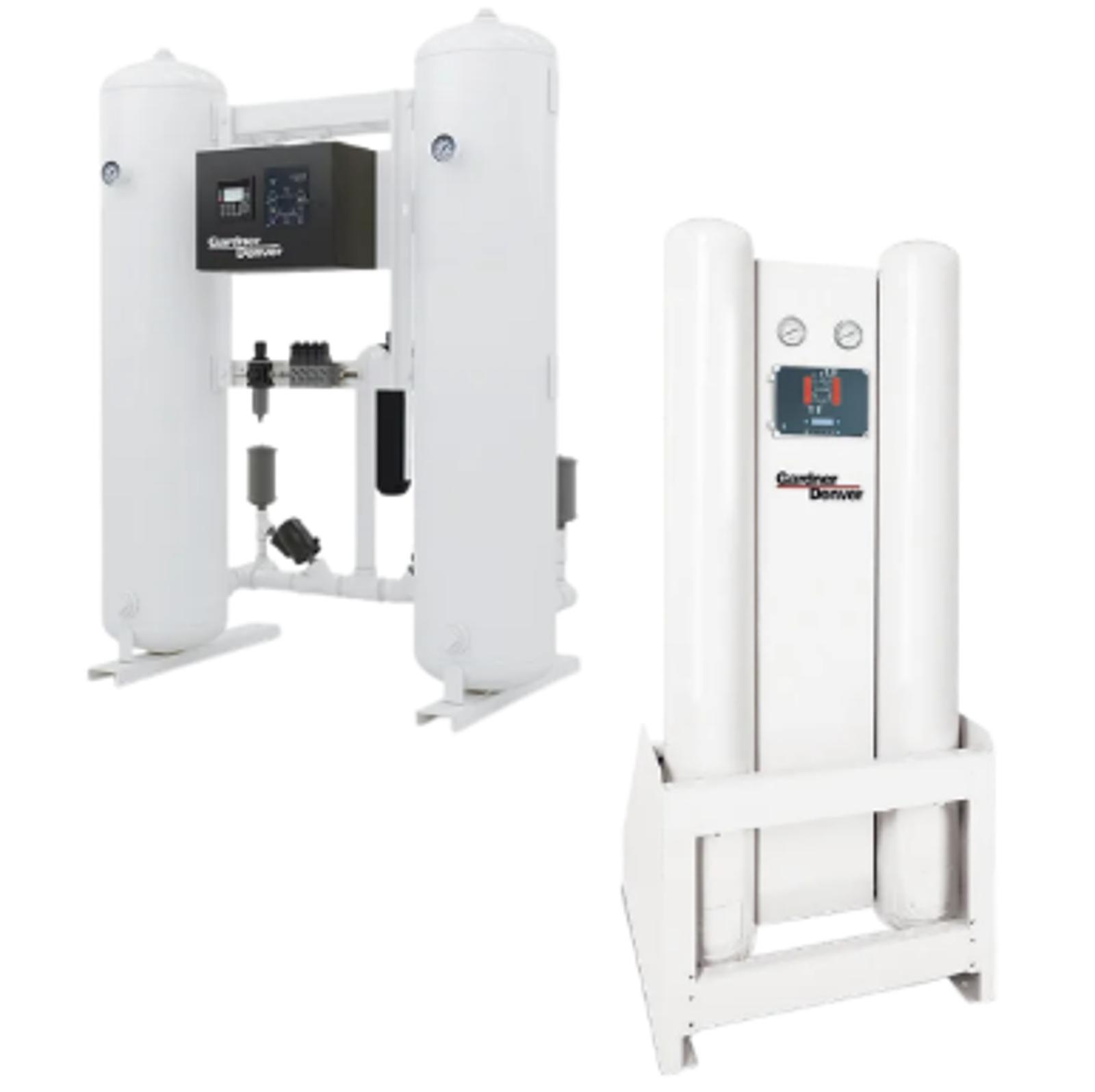
Heatless Desiccant Air Dryers
Heatless desiccant air dryers regenerate desiccant using a portion of the dried compressed air. This purge air flows through the saturated desiccant tower, carrying moisture out of the system.
Advantages of Heatless Desiccant Dryers
- Simple and proven design
- No external heaters required
- Reliable performance in remote locations
- Compact footprint and easy to install
- Ideal for steady state operation
Heatless dryers are widely used in industrial environments where reliability and ease of maintenance are prioritized over energy consumption.
Heated Desiccant Air Dryers
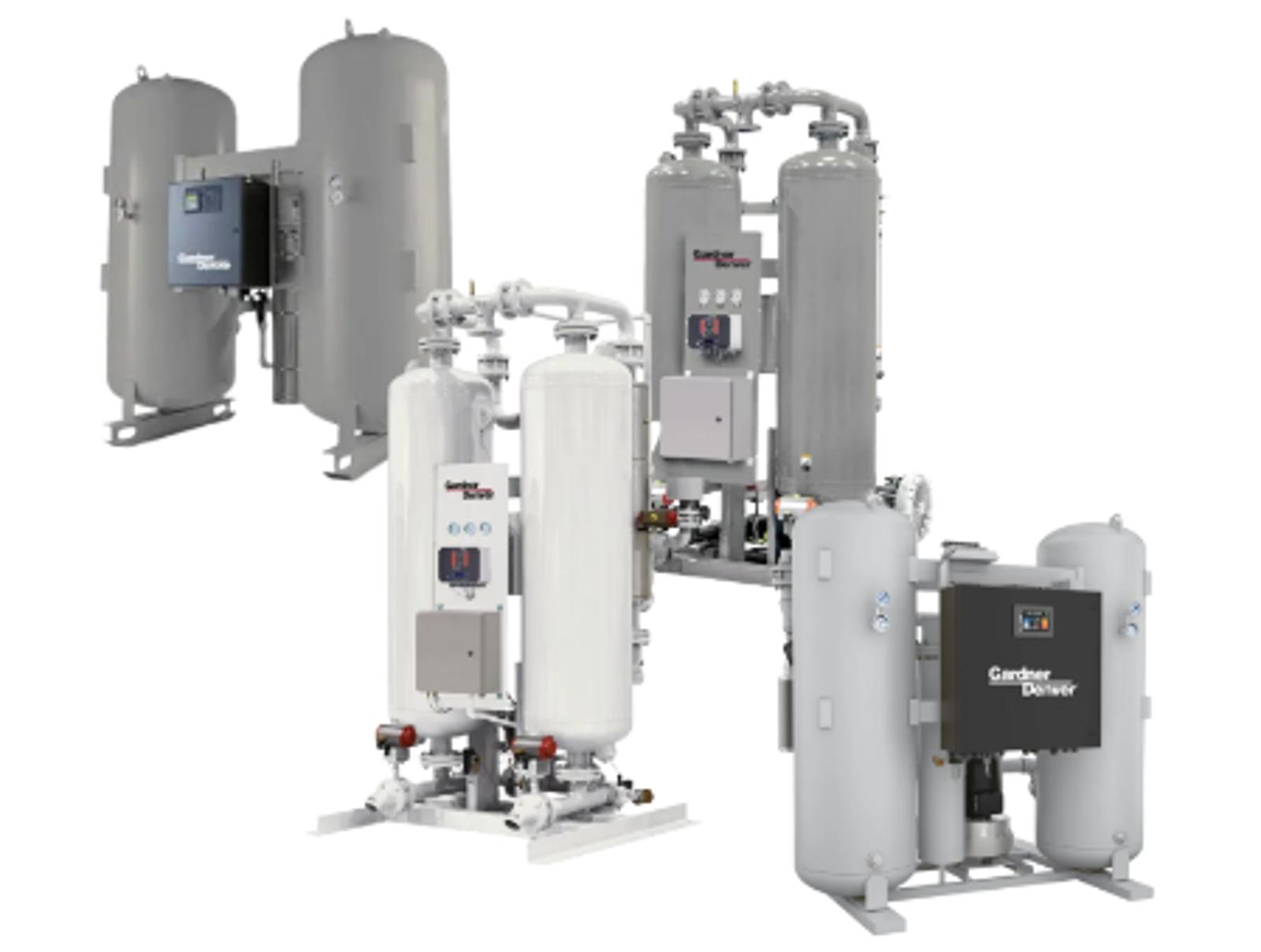
Heated desiccant air dryers use external heat sources to regenerate the desiccant, significantly reducing or eliminating the need for compressed air during the purge process. Configurations include externally heated, heated blower, and heated blower purge designs to address varying system needs.
Advantages of Heated Desiccant Dryers
• Lower energy consumption compared to heatless designs
• Reduced or eliminated compressed air loss
• Efficient operation for medium to high flow rates
• Lower long-term operating costs
• Consistent ultra-low dew point performance
Heated dryers are commonly specified in larger industrial systems where energy efficiency and lifecycle cost reduction are key priorities.
Modular and Compact Desiccant Dryer Systems
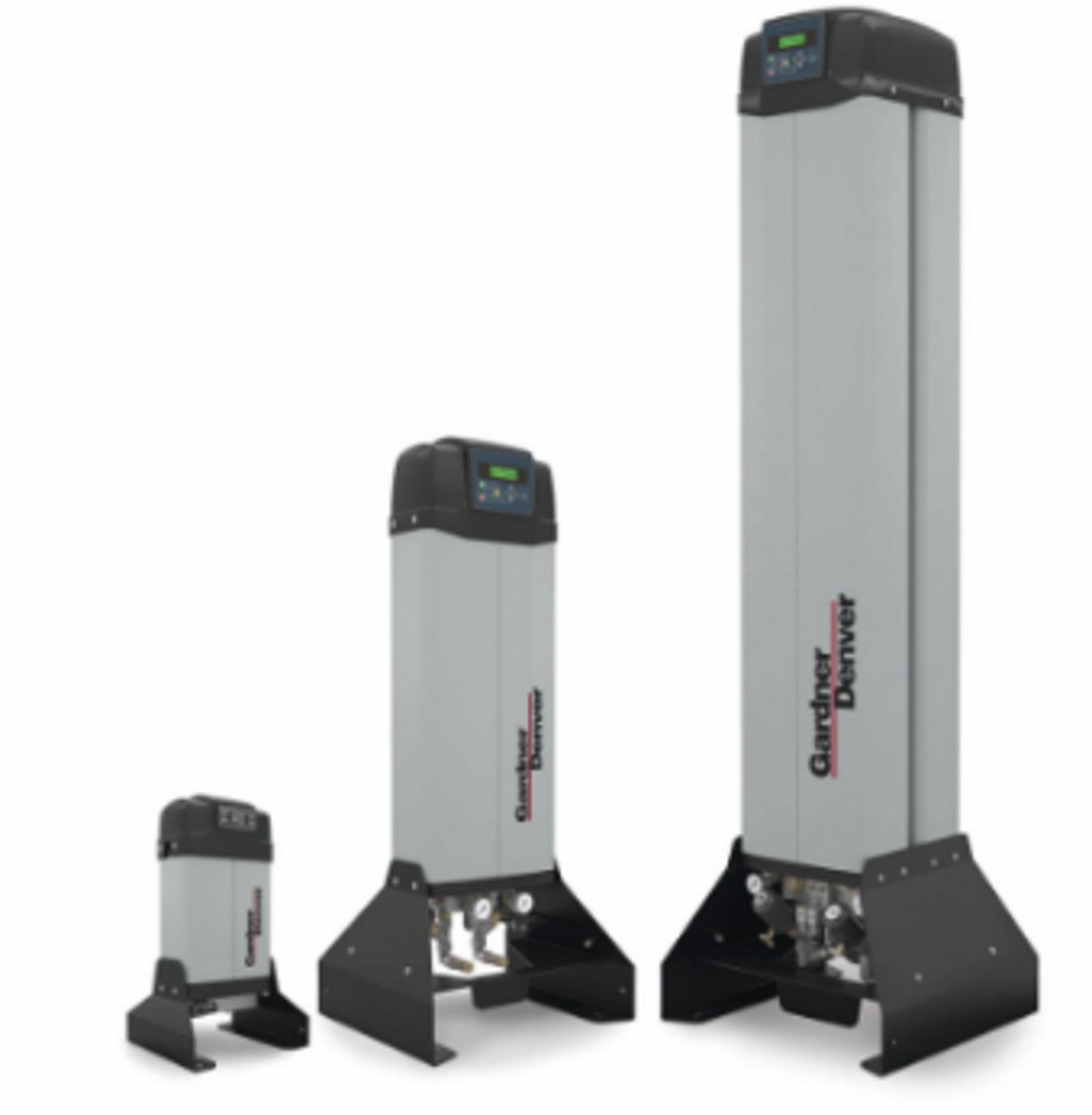
For applications with limited space or variable demand, Gardner Denver offers modular desiccant air dryers designed for flexibility and scalability.
Benefits of Modular Desiccant Dryers
- Smaller footprint
- Easier installation and expansion
- Suitable for decentralized air systems
- Simplified maintenance
These systems are often used in laboratories, process skids, and specialized manufacturing environments.
Heat of Compression (HOC) Desiccant Air Dryers
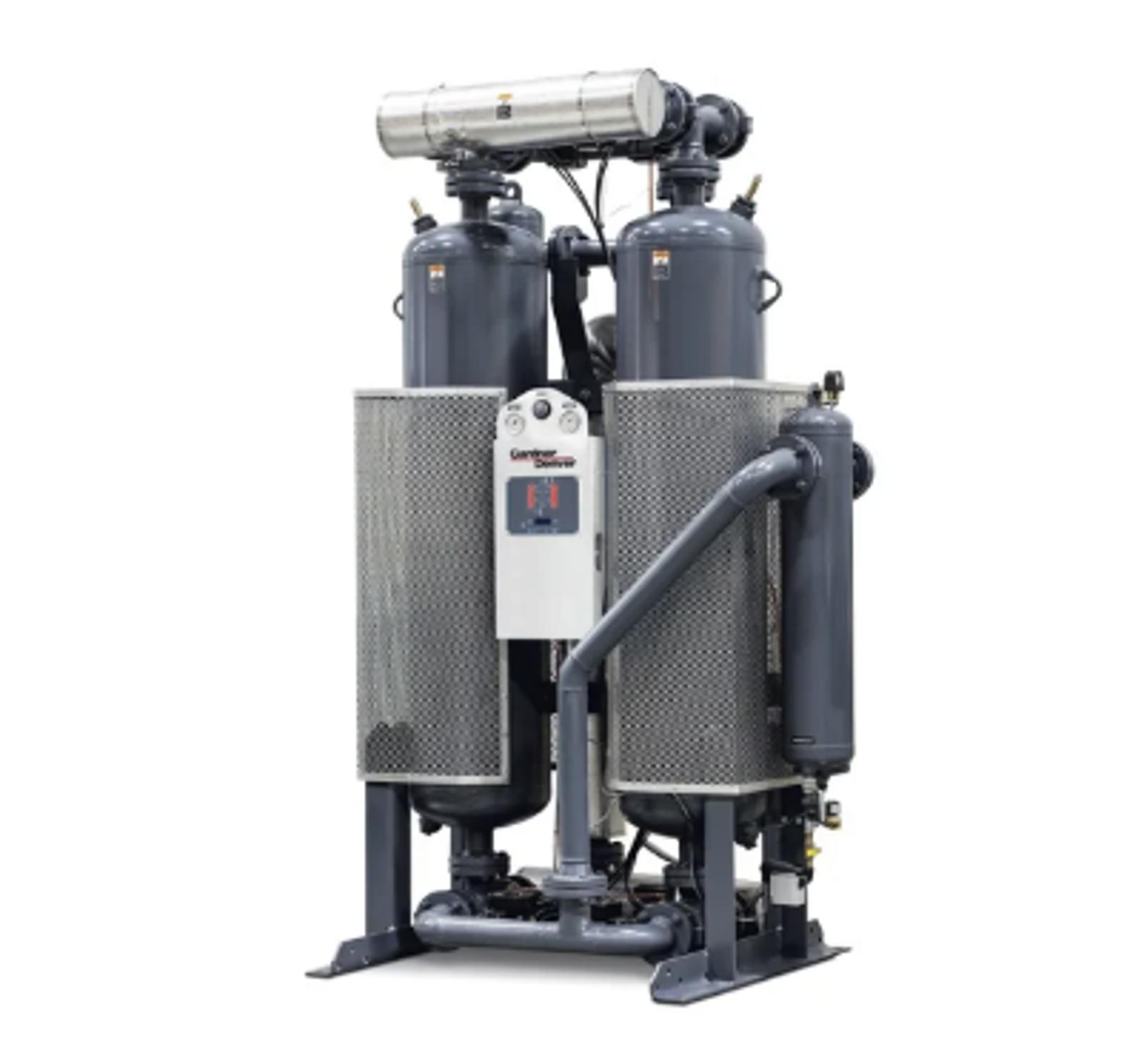
Heat of Compression dryers utilize the inherent heat generated during air compression to regenerate the desiccant, eliminating the need for additional heaters or significant purge air.
Key Advantages of HOC Dryers
- Near-zero purge air consumption
- Maximum energy efficiency using recovered heat
- Minimal operating costs
- Environmentally friendly operation
- Ideal for oil-free compressor systems with continuous operation
HOC dryers are best suited for facilities with stable, high-load demand and a focus on sustainability and energy optimization.
Key Features of Gardner Denver Desiccant Air Dryers
Gardner Denver desiccant dryers are engineered with industrial grade components and advanced control technology to ensure consistent air quality and reliable operation.
High Performance Desiccant Media
Carefully selected desiccant materials provide high moisture adsorption capacity, long service life, and stable dew point performance.
Robust Valving and Flow Control
Precision engineered switching valves ensure accurate cycle timing and minimal pressure drop across the dryer.
Advanced Control Systems
Modern controls provide:
- Dew point monitoring
- Cycle optimization
- Alarm and fault visibility
- Integration with plant automation systems
Durable Construction
Heavy duty vessels, corrosion resistant materials, and industrial coatings ensure long term reliability in harsh operating environments.
Desiccant Air Dryers vs. Refrigerated Air Dryers
Understanding dryer technology differences helps ensure the correct solution is selected.
- Achieve ultra low dew points
- Suitable for outdoor and freezing conditions
- Higher energy use than refrigerated dryers
- Required for critical air applications
- Typical dew point around 38°F
- Lower energy consumption
- Best for most indoor industrial uses
- Not suitable for freezing conditions
Energy Efficiency Considerations
While desiccant air dryers require more energy than refrigerated dryers, modern designs help minimize operating costs.
Energy saving features include:
- Heated and blower purge regeneration
- Dew point dependent switching
- Energy efficient heaters and blowers
- Optimized cycle timing
Selecting the correct desiccant dryer configuration can significantly reduce compressed air losses and energy consumption over its lifespan.
How to Size a Desiccant Air Dryer
Proper sizing is critical to ensure dew point performance and long service life. Key factors include:
- Compressed air flow rate (CFM or m³/h)
- Inlet pressure and temperature
- Desired pressure dew point
- Ambient temperature
- Duty cycle and load variation
Oversized dryers increase capital cost, while undersized dryers risk moisture breakthrough. Gardner Denver application specialists can assist with system evaluation and proper dryer selection.
Maintenance and Service Expectations
Routine maintenance for desiccant air dryers typically includes:
- Desiccant replacement (interval depends on conditions)
- Valve and control inspection
- Filter maintenance
- Heater and blower checks (if applicable)
When properly maintained, Gardner Denver desiccant dryers deliver long service life and predictable performance.
Why Choose Gardner Denver Desiccant Air Dryers?
Gardner Denver brings decades of compressed air expertise to every desiccant dryer design.
Advantages of Gardner Denver
- Proven industrial engineering
- Broad desiccant dryer portfolio
- Energy efficient technology options
- Expert application support
- Global service and parts availability
From small precision operations to large scale industrial facilities, Gardner Denver delivers compressed air drying solutions you can rely on.
Desiccant Air Dryers Built for Critical Performance
When air quality cannot be compromised, Desiccant Air Dryers from Gardner Denver provide the ultra dry, reliable compressed air required for the most demanding applications.
With solutions ranging from heatless to blower purge systems, Gardner Denver offers desiccant air dryers designed to protect equipment, improve process integrity, and deliver long term value.
Explore Gardner Denver’s full range of Desiccant Air Dryers to find the right solution for your compressed air system, and ensure performance you can trust in any environment.
Reach Out to Us