
How Maglev Blower Technology Improves Wastewater Aeration Efficiency
Optimizing Energy-Intensive Wastewater Aeration
Wastewater treatment plants rely heavily on aeration systems to maintain biological processes in activated sludge systems. However, aeration is one of the most energy-intensive operations, often accounting for up to 50–70% of a plant’s total energy consumption.
For utilities and operators across the wastewater treatment industry, improving aeration efficiency is critical to:
- Reducing operating costs
- Achieving energy efficiency targets
- Maintaining consistent treatment performance
- Supporting sustainability goals
Indah Water Konsortium (IWK), Malaysia’s national sewerage provider, faced these exact challenges while operating municipal wastewater treatment plants with long daily runtimes.
Common Challenges in Wastewater Treatment Aeration Systems
Like many municipal and industrial wastewater facilities, IWK encountered several operational issues:
- High energy consumption from conventional blower systems
- Ongoing maintenance due to mechanical wear
- Difficulty maintaining stable airflow control
- Increasing pressure to reduce lifecycle operating costs
These challenges are typical across wastewater plants using older blower technologies such as positive displacement blowers or conventional turbo blowers.
Facing similar wastewater aeration challenges?
The Solution: Oil-Free Maglev Blower Technology
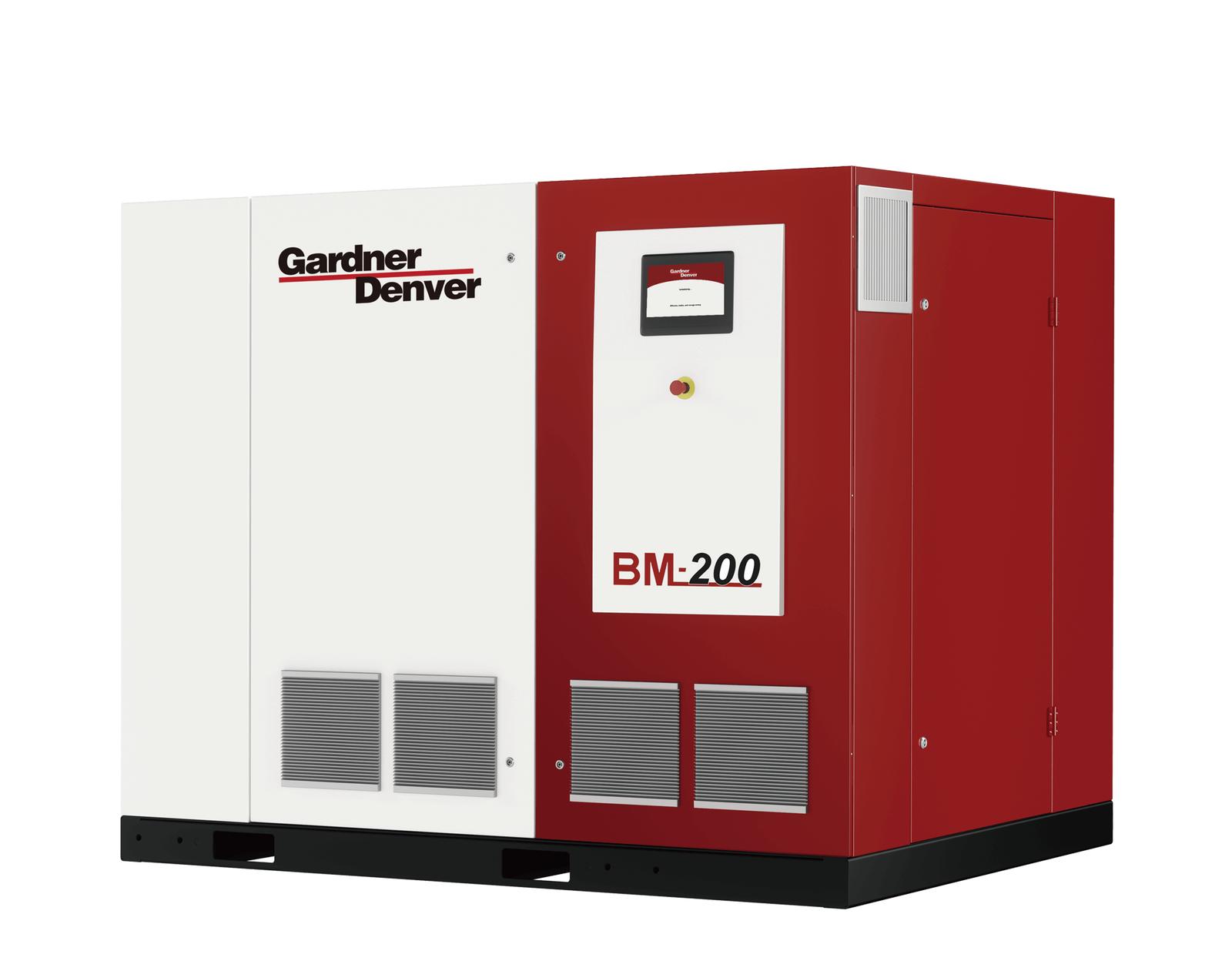
To improve system performance, IWK implemented the Gardner Denver BM75 Maglev Blower, designed specifically for wastewater aeration applications.
Key features of maglev blower technology include:
- Oil-free operation – critical for clean air supply in biological treatment
- Magnetic bearings (contact-free) – eliminating friction and wear
- High-efficiency motor and airend design
- Stable airflow under varying loads
- Plug-and-play installation for fast commissioning
This technology directly addresses the most critical pain points in wastewater aeration systems - energy efficiency, reliability, and maintenance reduction.
Results: Measurable Improvements in Wastewater Plant Performance
Following installation, IWK recorded significant benefits:
Reduced Maintenance Requirements
Magnetic bearings eliminate mechanical contact, resulting in:
- No lubrication systems
- Fewer moving parts
- Lower maintenance intervals
Improved Energy Efficiency
Optimized air delivery enables better energy management and reduced electricity costs, a key KPI for wastewater operators.
Enhanced Reliability for Continuous Operation
Aeration systems operate continuously - maglev blowers deliver stable, uninterrupted airflow, improving biological treatment performance.
Lower Noise Levels
Quieter operation improves working conditions onsite - a growing requirement in modern wastewater facilities.
These results highlight how advanced blower technology can significantly improve total cost of ownership (TCO) for wastewater treatment plants.
Ready to improve your wastewater aeration efficiency?
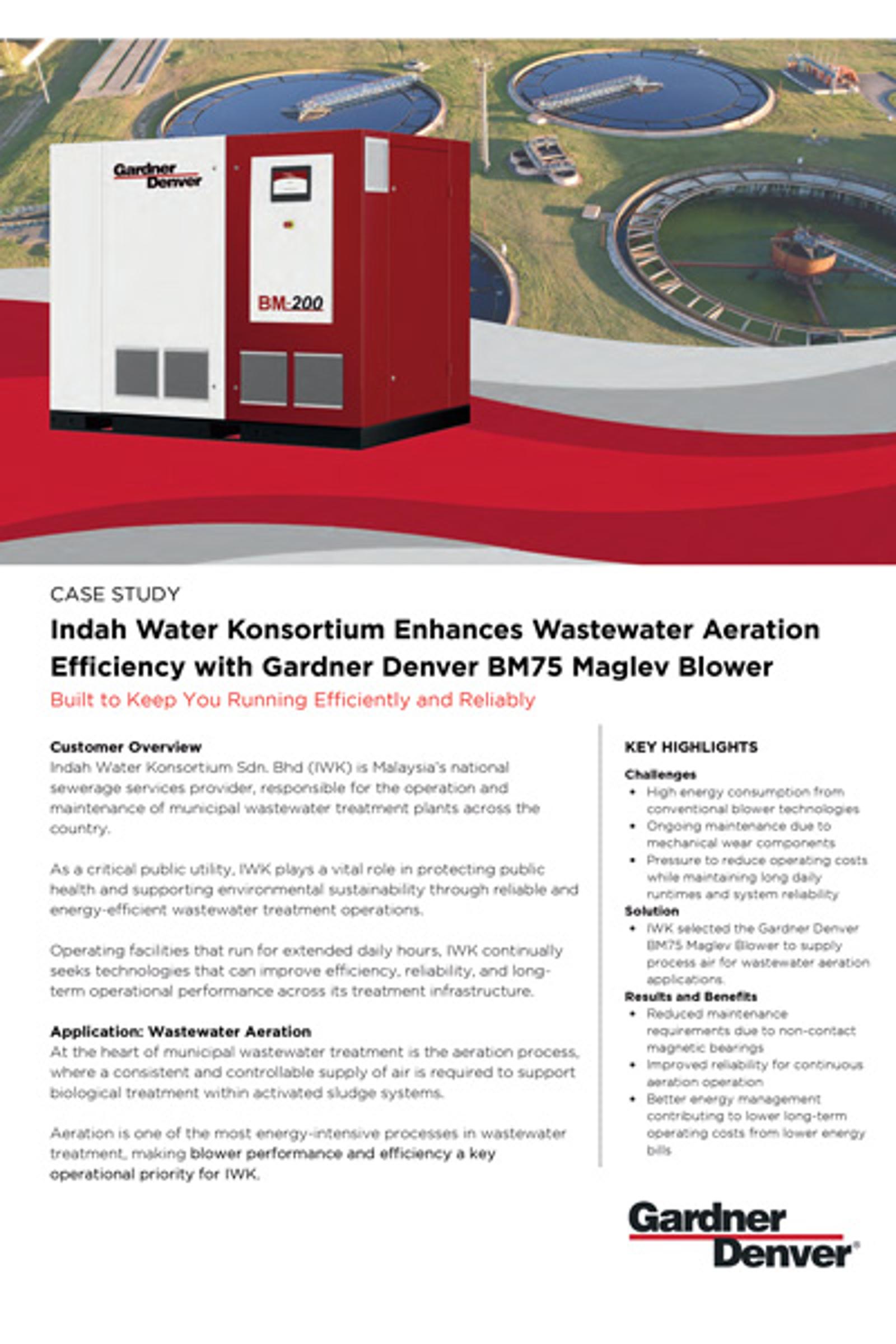
Download the complete case study to explore the results in detail.
Reach Out to Us