gardner_denver_homepage.png

Transporting food-grade liquids isn’t just about flow; it’s about compliance, efficiency, and product integrity. Let's break down what makes pumps sanitary, key features to prioritize, and how to avoid costly downtime plus, why the Gardner Denver STP 125 stands out. 

STP125 Pump Sanitary Pump Selection and Maintenance Checklist

Key Technologies:

  • 2-piece Aluminium Gearbox (Gear and Bearing Housing)
  • Oil bath lubrication
  • Shafts - Stainless Steel 316L
  • Taper roller bearings (front) and cylindrical roller bearings (rear)
  • Helical timing gears, shimmed for timing retained by tab washer and nut
  • Hydraulic or keyed drive shaft
  • Bolt-on feet for 3-way universal mounting 

Applications:

  • Ideal for dairy, juices, oils, and syrups
  • Bulk liquid hauling for food and beverage transport fleets
  • Milk, liquified chocolate, vegetable oils, and healthcare liquids 

Common Risks & Preventative Maintenance:

  • Seal leaks: Use front-loading seals for rapid replacement
  • Cavitation: Maintain proper suction and reduce sharp bends
  • Overpressure: Ensure relief valves are set correctly 

Why the STP 125:

  • 3A-certified, stainless-steel construction
  • Quick-strip design for minimal downtime
  • Multiple seals for different product chemistries
  • Up to 232 GPM, 145 PSI, and 300°F capability
  • Dry weight of 139lbs 
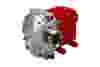
STP125 product image

FAQs:

3A certification indicates that a pump is designed to meet sanitary construction standards used in food and dairy applications. These standards focus on hygienic materials, smooth product-contact surfaces, and pump designs that support effective cleaning.

For food-grade transport applications, pumps designed to sanitary standards also help support reliable product transfer. Designs such as the STP125 allow operators to achieve required flow rates at relatively low operating speeds, which helps reduce component wear, maintain product integrity, and lower the risk of cavitation when handling sensitive food products.