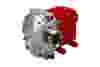
This guide explains what makes a pump “sanitary,” key features to look for, and how to avoid common downtime risks. Plus, we’ll show why the Gardner Denver STP125 is a top choice for food-grade liquid transport.
Pro Tip: Want a quick reference?
👉 Download the Sanitary Pump Selection & Maintenance Checklist to keep your fleet compliant and efficient.
What Makes a Pump “Sanitary”?
Sanitary pumps are designed to transfer food-grade products without contamination. They feature:
- 3-A Certified hygienic design for easy cleaning and inspection.
- Smooth, crevice-free surfaces to prevent residue buildup.
- Front-loading seals and quick-strip access for fast maintenance.
Most food-grade tanker pumps are positive displacement rotary lobe pumps because they:
- Handle a wide range of viscosities.
- Deliver gentle, low-pulsation flow.
- Operate reversibly for loading, unloading, and line clearing.
Key Features to Look For
When specifying a sanitary pump, focus on:
- Flow & Pressure: Match pump capacity to unload speed and discharge pressure.
- Temperature Range: Ensure compatibility with product and cleaning cycles.
- Seal Options: Choose O-ring, double lip, or mechanical seals based on product chemistry.
- Overpressure Protection: Built-in relief valves prevent system damage.
- Quick Maintenance: Front-loading seals and quick-strip designs reduce downtime.
- Compliance: 3-A certification simplifies audits and ensures hygienic design.
👉 For a full selection checklist, download our free guide here.
Common Downtime Risks—and How to Avoid Them
- Seal Wear and Leaks: Front-loading seals allow quick replacement without removing the pump head—saving hours of labor.
- Cavitation: Prevent by maintaining proper suction conditions, avoiding sharp bends, and monitoring vibration.
- Overpressure Events: Positive displacement pumps can’t “deadhead.” Always use a properly set relief valve to protect your system.
Maintenance Best Practices
Proper maintenance is essential to keep sanitary pumps operating efficiently and to prevent costly downtime. Start by inspecting seals regularly for signs of wear and replacing them as needed to avoid leaks. After every use, thoroughly clean the pump to prevent residue buildup and contamination, which can compromise product quality and compliance. During preventive maintenance, check the relief valve to ensure it functions correctly and protects against overpressure events. To minimize cavitation damage, maintain proper suction conditions by using smooth plumbing and monitoring vibration levels. Finally, keep an inventory of spare parts—such as seal kits and elastomers like nitrile, EPDM, or Viton®—so your team can make quick repairs without waiting for parts to arrive. These proactive steps will extend pump life, reduce unplanned downtime, and keep your fleet running smoothly.